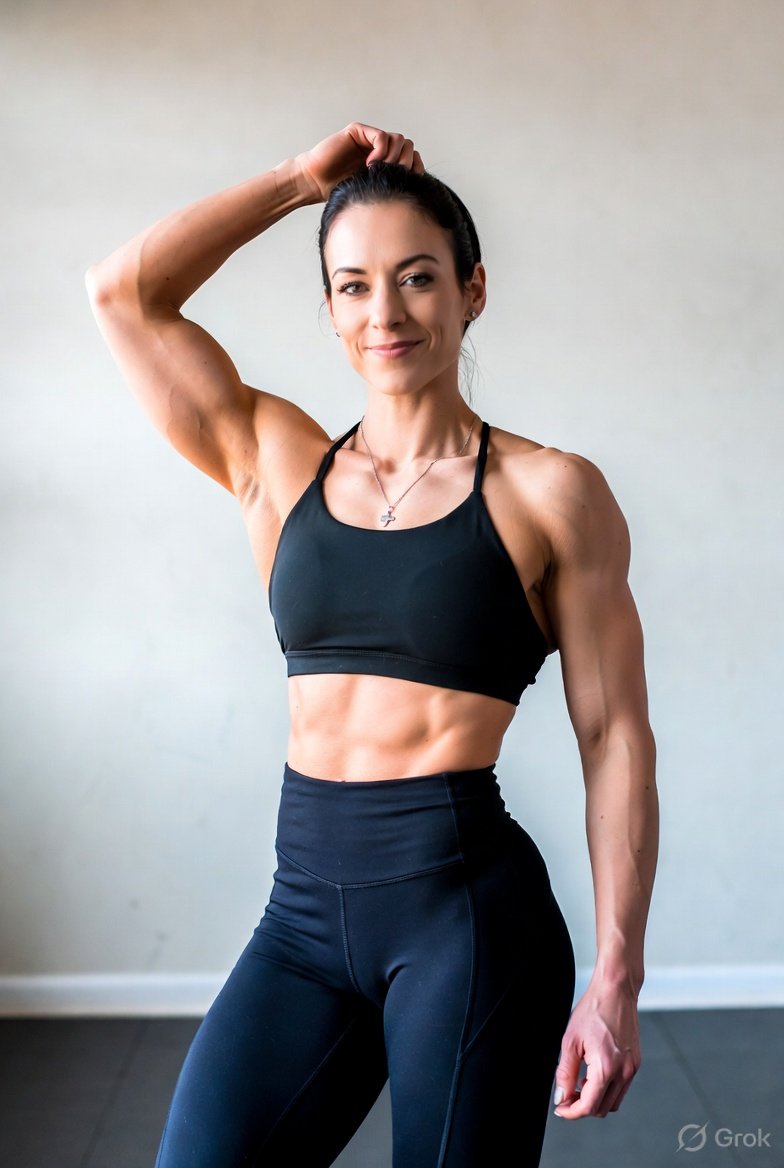
The Inspiring Fitness Journey Behind the “All-In” Method
In the world of fitness influencers, very few stories have sparked as much discussion as Stephanie Buttermore. Known for her science-based approach to health and fitness, she became widely recognized after sharing her controversial “All-In” eating journey.
What made Stephanie stand out wasn’t just her physique or viral YouTube videos—it was her honest discussion about hunger, dieting, and recovery from restrictive eating habits.
Today, millions follow her journey to understand how she went from extreme dieting to food freedom and balanced fitness.
In this article, we’ll explore:
- Stephanie Buttermore’s background and career
- The story behind her viral “All-In” experiment
- The science and controversy around her approach
- Lessons people can learn from her journey
Let’s dive into the fascinating story of one of the most talked-about personalities in modern fitness.
Who Is Stephanie Buttermore?
Stephanie Buttermore is an American fitness influencer, researcher, and YouTuber known for blending scientific knowledge with real-life fitness experiences.
She gained popularity through:
- Educational fitness videos
- Competitive bodybuilding
- Viral “cheat day” eating challenges
- Her groundbreaking “All-In” journey
Early Life and Education
Unlike many fitness influencers, Stephanie has a strong academic background.

She holds a PhD in biomedical sciences, focusing on cancer research. Her education gave her a scientific understanding of:
- Metabolism
- Nutrition
- Hormones
- Human physiology
This academic expertise helped her explain complex nutrition concepts to millions of viewers in a simple way.
Stephanie Buttermore’s Rise on YouTube
Stephanie began her online journey by posting fitness and nutrition videos on YouTube.
Her content quickly gained attention because she combined:
- Scientific explanations
- Personal fitness experience
- Realistic discussions about dieting
One of the most popular video formats she created was extreme cheat day challenges.
Why Her Cheat Day Videos Went Viral
Her “cheat day” videos often included massive calorie intakes—sometimes 10,000 calories or more.
These videos fascinated viewers because:
- She maintained a lean physique
- She explained metabolism scientifically
- She showed the psychological side of dieting
However, these videos eventually revealed something deeper.
Stephanie admitted she was constantly hungry, despite eating huge cheat meals.
That realization led to her most famous experiment.
The “All-In” Journey That Changed Everything
The most defining moment in Stephanie’s career came when she announced her “All-In” experiment.
The concept was simple but shocking in the fitness world.
What Is the “All-In” Method?
The All-In approach meant:
- Eating whenever hungry
- No calorie restriction
- No strict diet rules
- Allowing the body to regulate appetite naturally
Stephanie believed years of restrictive dieting had damaged her hunger signals.
Her goal was to heal her metabolism and relationship with food.
Why Stephanie Buttermore Went “All-In”
Before starting the experiment, Stephanie revealed several struggles.
Signs Her Body Was Under Stress
She experienced:
- Constant hunger
- Food obsession
- Hormonal imbalance
- Extreme fatigue
- Difficulty maintaining weight
Despite appearing extremely fit, she realized her body might not be functioning optimally.
She decided to trust her body and let it recover.
The Physical Changes During “All-In”
One reason Stephanie’s journey became so widely discussed was her dramatic physical transformation.
During the process:
- She gained significant weight
- Her body fat increased
- Her appearance changed drastically
For a fitness influencer whose brand depended on aesthetics, this was a bold and risky decision.
Why Her Transparency Was Powerful
Stephanie documented everything publicly:
- Weight gain
- Emotional struggles
- Body image challenges
- Appetite changes
This honesty resonated with many people who felt trapped by diet culture and restrictive eating.
The Science Behind the “All-In” Approach
Stephanie based her experiment on concepts related to metabolic adaptation and hunger regulation.
Key Scientific Ideas
- Metabolic adaptation
Long-term dieting can slow metabolism. - Hormone imbalance
Dieting affects hormones like leptin and ghrelin. - Extreme hunger
The body may increase hunger signals after prolonged restriction. - Set point theory
The body may have a natural weight range where it functions best.
Her hypothesis was that allowing unrestricted eating could help restore these systems.
Criticism and Controversy
Stephanie Buttermore’s journey was widely discussed—but it also sparked major debate.
Some experts supported her transparency, while others questioned the method.
Common Criticisms
Critics argued:
- The approach may not work for everyone
- Rapid weight gain can be risky
- The method lacks strong scientific evidence
Others worried that followers might misinterpret the experiment and adopt unhealthy habits.
However, supporters praised her for challenging unrealistic fitness standards.
Stephanie Buttermore’s Final Results
After many months of unrestricted eating, Stephanie reported several improvements.
She claimed:
- Hunger normalized
- Food obsession disappeared
- Energy levels improved
- Her body stabilized naturally
Eventually, her weight reached a stable range, which she described as her natural set point.
Her journey encouraged many people to rethink the relationship between dieting and health.
Lessons From Stephanie Buttermore’s Story
Whether someone agrees with her approach or not, Stephanie’s journey offers valuable insights.
1. Diet Culture Can Be Extreme
The fitness industry often promotes unrealistic standards that may lead to:
- Chronic dieting
- Body dissatisfaction
- Disordered eating habits
Stephanie’s story highlights the psychological impact of these pressures.
2. Hunger Signals Matter
Ignoring hunger for long periods can lead to:
- Hormonal disruption
- Metabolic slowdown
- Food obsession
Listening to your body is often more important than following rigid diet rules.
3. Health Is More Than Appearance
A lean physique does not always equal health.
True wellness includes:
- Balanced hormones
- Stable energy levels
- Mental wellbeing
- A healthy relationship with food
Stephanie’s journey emphasized these factors.
Practical Tips for a Healthier Relationship With Food
Inspired by Stephanie Buttermore’s experience, here are practical steps people can follow.
1. Avoid Extreme Dieting
Instead of drastic calorie cuts:
- Focus on balanced nutrition
- Eat regular meals
- Include all food groups
2. Pay Attention to Hunger and Fullness
Your body gives signals for a reason.
Try to:
- Eat when hungry
- Stop when comfortably full
- Avoid rigid meal rules
3. Focus on Long-Term Health
Short-term diets rarely lead to sustainable results.
Instead, aim for:
- Consistent exercise
- Nutrient-dense foods
- Adequate sleep
- Stress management
4. Be Careful With Social Media Fitness Advice
Not every trend is backed by science.
Before following extreme methods:
- Research credible sources
- Consult health professionals
- Understand your own body
Stephanie Buttermore’s Impact on the Fitness Industry
Today, Stephanie Buttermore remains one of the most influential voices in the fitness community.
Her impact includes:
- Starting conversations about diet culture
- Encouraging body acceptance
- Promoting science-based fitness education
She helped shift the conversation from “how to get leaner” to “how to get healthier.”
Many influencers now openly discuss topics like:
- Metabolic health
- Mental health in fitness
- Sustainable eating habits
Where Stephanie Buttermore Is Today
Stephanie continues to create content focused on:
- Balanced fitness
- Evidence-based nutrition
- Lifestyle health
She has also launched fitness programs and collaborations within the industry.
Her message today is clear:
Health should be sustainable, flexible, and supportive of mental wellbeing.
Conclusion: Why Stephanie Buttermore’s Story Matters
The journey of Stephanie Buttermore is more than a fitness transformation—it’s a conversation about food freedom, health, and self-awareness.
Her “All-In” experiment challenged the traditional fitness mindset and forced people to rethink the relationship between dieting, hunger, and metabolism.
Whether someone agrees with her method or not, one thing is certain:
Her transparency helped thousands of people question harmful diet culture and focus on sustainable health instead of extreme aesthetics.
Final Takeaway
If there’s one lesson from Stephanie’s journey, it’s this:
True fitness isn’t about constant restriction—it’s about balance.