
Timeline, Impact, and Community Response
The Michigan synagogue shooting shocked communities across the United States and drew international attention. The attack occurred at Temple Israel in Michigan, a major Jewish congregation located near Detroit.
Authorities described the incident as a vehicle-ramming and shooting attack, highlighting growing concerns about violence targeting religious institutions. Fortunately, many lives were saved due to security measures and quick responses from staff and law enforcement.
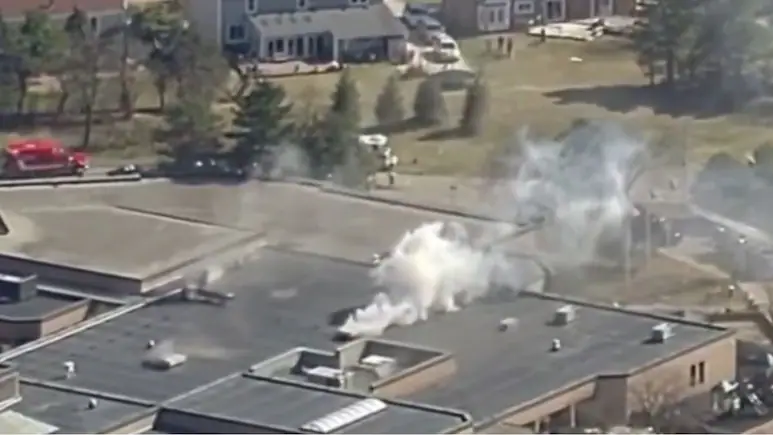
This detailed guide explains the Michigan synagogue shooting timeline, investigation, causes, community impact, and safety lessons for communities everywhere.
What Happened in the Michigan Synagogue Shooting?
The Michigan synagogue shooting occurred on March 12, 2026, at Temple Israel in West Bloomfield Township. According to investigators, a suspect rammed a vehicle into the building and opened fire during the incident.
The attacker was later identified as Ayman Mohamed Ghazali, who died during the confrontation with security personnel.
Key Facts About the Incident
- Location: Temple Israel synagogue
- Date: March 12, 2026
- Type of attack: Vehicle-ramming and shooting
- Injuries: At least 31 people injured, including responders
- Fatalities: The attacker died during the incident
Security guards responded quickly, preventing a potentially larger tragedy.
Timeline of the Michigan Synagogue Shooting
Understanding the sequence of events helps explain how the situation unfolded.
1. Vehicle Crash into the Building
Reports indicate the suspect drove a vehicle directly into the synagogue building.
The vehicle breached the structure and later caught fire inside the facility.
This moment triggered emergency responses and alarms throughout the building.
2. Gunfire and Confrontation
Following the crash, the suspect reportedly opened fire.
Security personnel at the synagogue engaged the attacker in a confrontation.
The suspect was ultimately killed during the exchange.
3. Emergency Response
Local authorities and federal agencies responded quickly.
Organizations involved included:
- Federal Bureau of Investigation
- Local police departments
- Emergency medical teams
- Fire departments
Bomb technicians were also deployed after reports of possible explosives in the vehicle.
4. Evacuation of Children and Staff
Temple Israel includes an early childhood center.
Approximately 140 children and staff were safely evacuated, avoiding what could have been a devastating outcome.
Where the Attack Happened
The attack occurred at Temple Israel, one of the largest Reform synagogues in the United States.
Temple Israel serves thousands of members in the Detroit metropolitan area.
The synagogue also operates:
- A preschool program
- Community events
- Religious services
- Educational programs
Because of its large congregation, the synagogue had existing security protocols in place.
Injuries and Damage from the Incident
While the tragedy could have been much worse, several people were injured during the event.
Reported Injuries
- One security guard struck by the vehicle
- Dozens of emergency responders treated for smoke inhalation
- Minor injuries related to evacuation
No children from the preschool were injured, a result many officials described as a miracle.
Investigation of the Michigan Synagogue Shooting
Following the incident, federal and local agencies launched a full investigation.
The investigation involved several agencies including:
- Federal Bureau of Investigation
- Bureau of Alcohol, Tobacco, Firearms and Explosives
- Michigan state law enforcement
Authorities examined the suspect’s background, digital activity, and potential motivations.
Possible Motives Behind the Attack
Investigators are still examining possible motives.
Some reports indicate the suspect may have been influenced by international conflict or personal grievances.
Officials also emphasized concerns about rising antisemitism in the United States.
Experts note that attacks targeting religious communities often involve complex motivations and require careful investigation.
Reaction from Political and Community Leaders
The Michigan synagogue shooting prompted strong responses from political leaders, religious organizations, and community groups.
Officials across the country condemned the attack and expressed support for the Jewish community.
Key Community Reactions
- Increased police protection at religious institutions
- Public statements supporting Jewish communities
- Calls for unity and peace
Local leaders stressed the importance of solidarity against violence and hate.
Rising Concerns About Religious Institution Security
The attack has renewed discussions about security at houses of worship.
Religious institutions across the United States have increasingly implemented safety measures.
Common Security Measures
Many religious centers now use:
- Security cameras
- Trained guards
- Controlled entry systems
- Emergency response training
Temple Israel had previously conducted security training with community organizations.
How Security Helped Prevent a Larger Tragedy
One of the most important aspects of the Michigan synagogue shooting was the quick response by trained personnel.
Several factors helped prevent greater harm.
Key Protective Factors
- Armed security personnel
- Emergency preparedness training
- Quick evacuation procedures
- Rapid police response
These elements demonstrate the importance of proactive safety planning.
The Broader Context: Violence Against Religious Institutions
Attacks on places of worship are not limited to one religion or region.
Around the world, religious buildings have been targeted by extremists.
Examples include attacks on:
- Churches
- Mosques
- Synagogues
- Temples
Experts stress that protecting religious freedom requires strong security measures and community cooperation.
Lessons Communities Can Learn
Events like the Michigan synagogue shooting highlight important safety lessons.
Communities can take steps to reduce risk and improve emergency preparedness.
1. Emergency Preparedness Planning
Every religious institution should have a safety plan.
Important elements include:
- Evacuation procedures
- Emergency communication systems
- Staff training programs
2. Security Awareness
Security awareness can help prevent or reduce threats.
This includes:
- Identifying suspicious activity
- Reporting concerns to authorities
- Monitoring building entrances
3. Community Partnerships
Religious institutions benefit from working closely with law enforcement and local organizations.
Partnerships can provide:
- Security training
- Emergency drills
- Threat assessments
4. Mental Health and Community Support
After traumatic events, emotional support is essential.
Communities often organize counseling services and support groups to help those affected.
The Role of Media in Reporting Tragedies
Responsible journalism is critical during events like the Michigan synagogue shooting.
Media organizations must balance:
- Accurate reporting
- Avoiding misinformation
- Respecting victims and communities
Careful reporting helps the public understand events without spreading panic.
How Communities Recover After Attacks
Recovery after violent incidents requires coordinated efforts.
Typical recovery steps include:
- Damage assessment
- Community counseling programs
- Security improvements
- Memorial services and healing initiatives
Recovery can take months or even years depending on the impact.
Preventing Future Attacks
Preventing violence requires a combination of law enforcement, community awareness, and education.
Prevention Strategies
Experts recommend:
- Monitoring extremist threats
- Strengthening community dialogue
- Improving emergency response systems
Preventive efforts focus on protecting both people and institutions.
Why the Michigan Synagogue Shooting Matters
The Michigan synagogue shooting is a reminder of the importance of protecting religious freedom and community safety.
Although the incident was terrifying, the quick response by security staff and law enforcement prevented a larger tragedy.
The event has also sparked discussions about security, community resilience, and the need for unity against violence.
Conclusion: Strength Through Community
The Michigan synagogue shooting demonstrated both the dangers communities face and the resilience they can show in response.
Through preparedness, cooperation, and compassion, communities can overcome tragedies and build safer environments.
Protecting places of worship is not only about security—it is about defending freedom, diversity, and respect for all people.