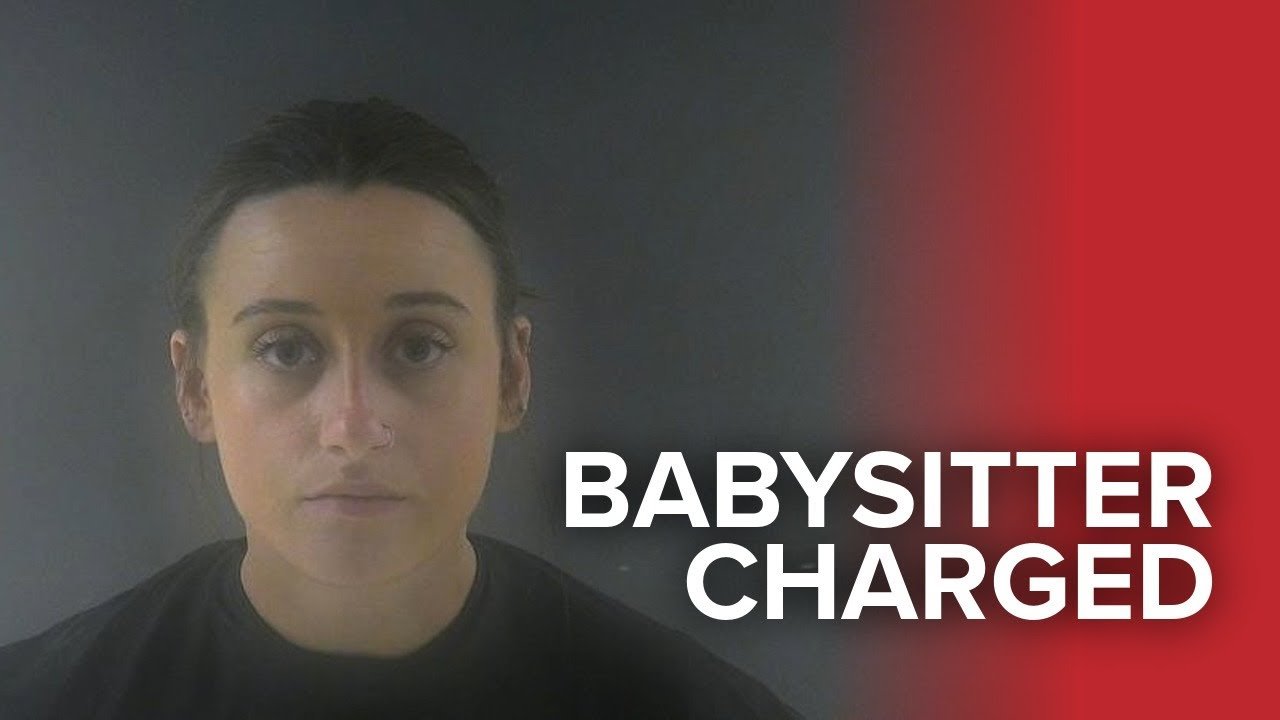
Who Is Carly Rae Webb? The Case That Horrified a Community
The name Carly Rae Webb became a grim headline in early 2026 — not for a musical achievement or a viral moment, but for one of the most disturbing child abuse cases Virginia had seen in years. A 21-year-old woman from Bedford County, Webb was convicted on 17 charges related to the prolonged abuse of a toddler left in her care. The case, heavily documented on home security cameras, left a judge of 47 years saying he had never seen anything quite like it.
This is the full story: who Carly Rae Webb is, what she did, how she was caught, what the courts decided, and what every parent needs to take away from this case.
Background: A Trusted Friend Turned Abuser
How the Family Knew Carly Rae Webb
What made the Carly Rae Webb case especially devastating was the level of trust involved. Webb was not a stranger hired through an agency. She was a close family friend — someone the child’s parents believed in completely. They welcomed her into their home to care for their toddler, a child between 19 and 23 months old at the time the abuse began.
The abuse reportedly spanned from October 2023 to January 2024 — nearly four months of cruelty that went undetected until Webb made an offhand comment that prompted the parents to check their home security footage.
That footage would change everything.
What the Security Cameras Revealed
A Pattern of Cruelty Caught on Video
When the child’s father reviewed the camera recordings, he said he couldn’t believe what he was seeing. The videos showed a pattern of deliberate and calculated abuse carried out against a child who could not speak up for herself.
According to prosecutors and court testimony, the footage documented:
- Food and water deprivation — in at least one instance, the child went without food or drink for up to 21 hours while under Webb’s supervision
- Confinement — the toddler was left in her crib for up to 9 hours at a stretch
- Physical abuse — Webb was seen kicking and hitting the child
- Psychological torment — she screamed in the child’s face, called her names including “an effing B,” and taunted her while she cried
- Deliberate food disposal — Webb was caught on camera throwing away food and drinks that the parents had prepared for the toddler
- Simulated violence — Webb pointed a toy gun at the crying child and pretended to shoot her, mocking her throughout
The presiding judge, Bedford Circuit Court Judge James Updike Jr., stated that in his 47-year career on the bench, he had never overseen a case where so much abuse had been captured on video.
The Charges Against Carly Rae Webb
17 Counts Across Felonies and Misdemeanors
The case against Carly Rae Webb was built over multiple grand jury indictments. By the time it went to trial, she faced a total of 17 charges, a combination of felonies and misdemeanors:
- 4 felony counts of child abuse and neglect (initially)
- 3 misdemeanor counts of assault and battery
- 1 misdemeanor count of assault
- 3 misdemeanor counts of contributing to the abuse or neglect of a minor
- 6 additional felony charges added ahead of trial covering incidents from October to November 2023
Webb initially pleaded guilty to 5 of the 17 charges in October 2025. However, a judge found her guilty on all 17 counts. Several charges were later dismissed at sentencing.
The Trial and Verdict
What the Court Decided
Webb’s defense attempted to argue that her actions did not rise to the level of felony neglect or abuse. Attorneys argued the situation was “mild in comparison” to cases involving visible injuries, confirmed malnutrition, or developmental delays in the child.
The court disagreed.
Judge Updike rejected the defense framing. The duration of the abuse, the volume of documented evidence, and the deliberate nature of Webb’s actions all pointed unmistakably to a sustained pattern — not isolated incidents. He departed upward from sentencing guidelines specifically because of how prolonged and documented the cruelty was.
Sentencing: What Happened to Carly Rae Webb
The March 2026 Hearing
On March 13, 2026, Carly Rae Webb was sentenced at Bedford Circuit Court. The formal sentence totaled nine years, structured as follows:
- 5 years for one felony count of child abuse (4 years suspended)
- Concurrent sentences for 5 misdemeanor counts of assault and battery
- 3 years of probation following release
- No contact with the victim’s family
- Prohibition from any supervisory role over a minor
In effect, Webb will serve 12 months in jail — one year behind bars.
At sentencing, Webb addressed the court. She cried, expressed shame for her actions, and told the family she did not deserve their forgiveness. She said, “I totally failed her in that responsibility. It was terrible.”
The child’s mother delivered a victim impact statement describing a lasting emotional toll on their family, saying there was not a single day that passed without thinking about what their daughter had endured. She described the abuse as robbing the child of her innocence and sense of peace.
Deputy Commonwealth’s Attorney Stacey Stickney told reporters the office was pleased with the outcome, noting the sentence reflected both the severity and the duration of the abuse.
Why the Carly Rae Webb Case Matters for Parents
Lessons Every Caregiver and Parent Must Hear
The Carly Rae Webb case is not just a crime story. It is a wake-up call for every parent who entrusts their child’s care to another person — especially someone they know personally. Here is what this case teaches us:
1. Trust Is Not the Same as Safety
Webb was a friend, not a hired stranger. Familiarity can actually reduce a parent’s vigilance. Trust your instincts, but never let personal relationships substitute for accountability.
2. Home Security Cameras Are Not Optional
This case was cracked open by home security footage. Without those cameras, the abuse may never have been discovered. The child’s father was explicit: “Thank God we had the cameras.” If you employ a caregiver in your home, cameras are not an invasion of privacy — they are a protection for everyone, including the caregiver.
Practical tip: Place cameras in common areas like the living room, kitchen, and nursery. Ensure they record continuously and store footage for at least 30 days.
3. Watch for Behavioral Signs in Your Child
Children under two cannot describe abuse, but their behavior often reflects it. Warning signs include:
- Sudden regression (loss of skills like walking or talking)
- Heightened anxiety around a specific person
- Unexplained fear responses (flinching, excessive crying)
- Changes in sleep patterns or appetite
- Unexplained bruises, marks, or weight loss
4. Random Check-Ins Are Protective
If a caregiver is watching your child at home, make unannounced check-ins. Come home early occasionally. Call or video chat at unexpected times. A trustworthy caregiver will not object to this — and a problematic one will reveal themselves through resistance.
5. Do a Thorough Background Check — Even on Friends
Because Webb was a family friend, no formal background check was done. While a background check would not have flagged a first-time offender, it is still a best practice. Use platforms that check criminal records, sex offender registries, and references. Ask for references even from people you think you know well.
The Broader Conversation: Child Abuse and the Justice System
Did the Sentence Fit the Crime?
The Carly Rae Webb case reignited a debate that regularly surfaces in child abuse cases: does one year in jail adequately reflect four months of documented, calculated cruelty against a defenceless toddler?
Formally, Webb was sentenced to nine years. The suspended time means she will walk free after 12 months, followed by probation. The sentencing guidelines only called for up to six months — meaning the judge did go above the recommendation, citing the extended duration and the quality of evidence. Both prosecution and defense attorneys said publicly they were satisfied with the outcome.
But for many observers, and certainly for the child’s parents, no formal sentence can restore what was taken from their daughter.
What Happened to the Child?
Recovery and Resilience
Reports indicate the toddler did not suffer confirmed long-term visible injuries, malnutrition, or documented developmental delays from the abuse. This was noted — controversially — by Webb’s defense team as a mitigating factor.
However, the child’s mother made clear that the psychological impact on their family has been profound and ongoing. The long-term effects of early childhood trauma are well-documented by researchers: children who experience abuse before the age of three are at elevated risk for anxiety, attachment difficulties, and emotional dysregulation — even without visible physical injury.
The family requested no further public attention and asked for privacy as they work toward healing.
Conclusion: The Carly Rae Webb Case Is a Warning We Cannot Ignore
The Carly Rae Webb case is disturbing precisely because it was so preventable — and because it unfolded over months in plain sight, inside a home where cameras were rolling. It raises uncomfortable questions about how well we actually know the people we trust with our children, and how complacent we can become when familiarity substitutes for scrutiny.
Webb will serve her time. But the conversation this case has sparked — about home safety, about childcare accountability, about the gap between trust and verification — should outlast the headlines.
If you are a parent or guardian:
- Install home security cameras in caregiving areas
- Conduct background checks on all caregivers, including friends
- Monitor your child’s emotional and behavioral patterns closely
- Never hesitate to act on a gut feeling — your child cannot advocate for themselves