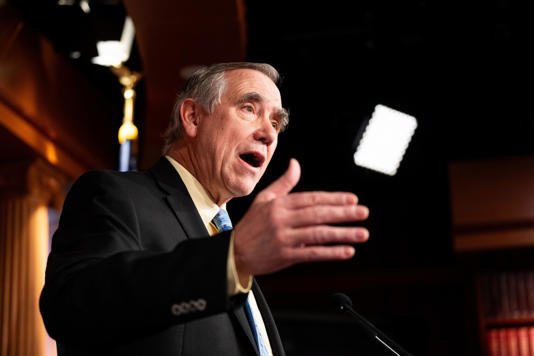
The U.S. child-care system is under increasing scrutiny as a US senator launches inquiry into private equity’s role in the child-care industry. With rising costs, staffing shortages, and concerns about quality, lawmakers are now questioning whether profit-driven investment strategies are helping—or harming—families and children.
This development could reshape how child-care centers operate across the country. For parents, providers, and investors alike, the stakes are high.
In this article, we break down what the inquiry means, why private equity is involved, and how it could impact affordability, access, and quality in child care.
Why the Inquiry Matters Now
The timing of this inquiry is not accidental. The U.S. child-care sector is facing a perfect storm:
- Skyrocketing costs for families
- Low wages for workers
- Increasing consolidation of providers
- Post-pandemic financial instability
As a US senator launches inquiry into private equity’s role in the child-care industry, the focus is on whether financial firms are prioritizing profits over children’s well-being.
Key Concerns Driving the Investigation
Lawmakers are looking into several critical issues:
- Are private equity firms cutting costs at the expense of care quality?
- Is consolidation reducing competition and raising prices?
- How are workers being affected?
- Are taxpayer-funded programs being indirectly exploited?
These questions strike at the heart of how essential services should be managed.
Understanding Private Equity in Child Care
Private equity firms invest in companies with the goal of increasing their value and eventually selling them for profit. In recent years, these firms have increasingly targeted the child-care sector.
Why Child Care Attracts Investors
The child-care industry has become appealing for several reasons:
- Stable demand: Families consistently need child care
- Government funding: Subsidies and tax credits support the sector
- Fragmented market: Opportunities for consolidation
However, these same factors raise concerns when profit motives dominate decision-making.
How Private Equity Impacts Child-Care Centers
The inquiry aims to uncover how private equity ownership changes the way child-care centers operate.
Potential Positive Impacts
Not all effects are negative. Some benefits include:
- Increased capital for expansion
- Improved infrastructure and facilities
- Professional management systems
- Standardized processes
Potential Negative Impacts
Critics argue that the downsides may outweigh the benefits:
- Cost-cutting measures affecting staff and resources
- Higher fees for parents
- Reduced staff-to-child ratios
- Pressure to maximize profits quickly
Rising Costs for Families
One of the biggest concerns is affordability.
How Costs Are Increasing
Parents across the U.S. are already struggling with child-care expenses. The inquiry examines whether private equity ownership contributes to:
- Higher tuition fees
- Additional hidden charges
- Reduced availability of affordable options
Real-World Impact
For many families, child care now rivals or exceeds:
- Rent or mortgage payments
- College tuition in some cases
As the US senator launches inquiry into private equity’s role in the child-care industry, affordability is a central issue.
Workforce Challenges in the Child-Care Sector
Child-care workers are among the lowest-paid professionals, despite the critical nature of their work.
Key Workforce Issues
- Low wages and high turnover
- Burnout and staffing shortages
- Limited career growth opportunities
Private Equity’s Role
The inquiry is investigating whether cost-cutting strategies include:
- Reducing staff wages
- Limiting benefits
- Increasing workloads
These practices can directly affect the quality of care children receive.
Quality of Care Under Scrutiny
Quality is perhaps the most important factor in child care.
What Defines Quality Child Care?
- Safe environments
- Qualified staff
- Low child-to-teacher ratios
- Development-focused programs
Risks Identified
Lawmakers worry that profit-driven models may:
- Compromise safety standards
- Reduce educational quality
- Prioritize efficiency over care
The investigation seeks to determine whether these risks are widespread.
Industry Consolidation and Market Control
Private equity often consolidates smaller providers into large chains.
What Consolidation Means
- Fewer independent child-care centers
- More standardized pricing
- Increased market power
Potential Problems
- Reduced competition
- Limited choices for parents
- Price increases
The US senator launches inquiry into private equity’s role in the child-care industry partly to assess whether consolidation is harming consumers.
Government Funding and Oversight
Child care in the U.S. receives significant public support.
Sources of Funding
- Federal subsidies
- State programs
- Tax credits for families
Key Concern
The inquiry examines whether private equity firms are:
- Benefiting from public funds without accountability
- Prioritizing profits over public service goals
This raises important questions about transparency and regulation.
What This Means for Parents
If you’re a parent, this inquiry could directly affect your family.
Possible Outcomes
- Greater transparency in pricing
- Improved quality standards
- Stronger regulations
- Potential cost stabilization
What Parents Can Do
- Research child-care providers thoroughly
- Ask about ownership and management
- Monitor staff-to-child ratios
- Stay informed about policy changes
What This Means for Child-Care Providers
Providers may face increased scrutiny and regulation.
Potential Changes
- New compliance requirements
- Financial transparency rules
- Staffing standards
How Providers Can Prepare
- Review operational practices
- Ensure compliance with regulations
- Focus on quality and safety
- Maintain clear communication with parents
What This Means for Investors
The inquiry could reshape investment strategies in the sector.
Key Considerations
- Increased regulatory risk
- Public scrutiny and reputation concerns
- Long-term sustainability over short-term gains
Investors may need to rethink how they approach essential services like child care.
Policy Changes to Watch
As the US senator launches inquiry into private equity’s role in the child-care industry, several policy shifts could emerge:
Possible Reforms
- Caps on tuition increases
- Minimum staffing requirements
- Greater financial transparency
- Restrictions on consolidation
These changes could transform the industry landscape.
Practical Tips for Navigating the Changing Landscape
For Parents
- Compare multiple providers before choosing
- Look beyond price—focus on quality
- Ask detailed questions about operations
- Stay updated on policy developments
For Providers
- Invest in staff training and retention
- Maintain high safety and quality standards
- Build trust with families
- Prepare for regulatory changes
For Policymakers
- Balance affordability with sustainability
- Ensure accountability for public funding
- Protect workers and families
The Bigger Picture: Profit vs Public Good
At its core, this inquiry raises a fundamental question:
Should essential services like child care be driven by profit?
While private investment can bring efficiency and growth, it must not come at the expense of:
- Child safety
- Educational quality
- Worker well-being
- Family affordability
The outcome of this investigation could influence not just child care, but other sectors where private equity is active.
Conclusion: A Turning Point for Child Care
The decision as a US senator launches inquiry into private equity’s role in the child-care industry marks a critical moment for the sector.
This investigation could lead to:
- Stronger protections for families
- Better working conditions for staff
- Greater accountability for investors
For parents, providers, and policymakers, the message is clear: the future of child care is being reshaped right now.