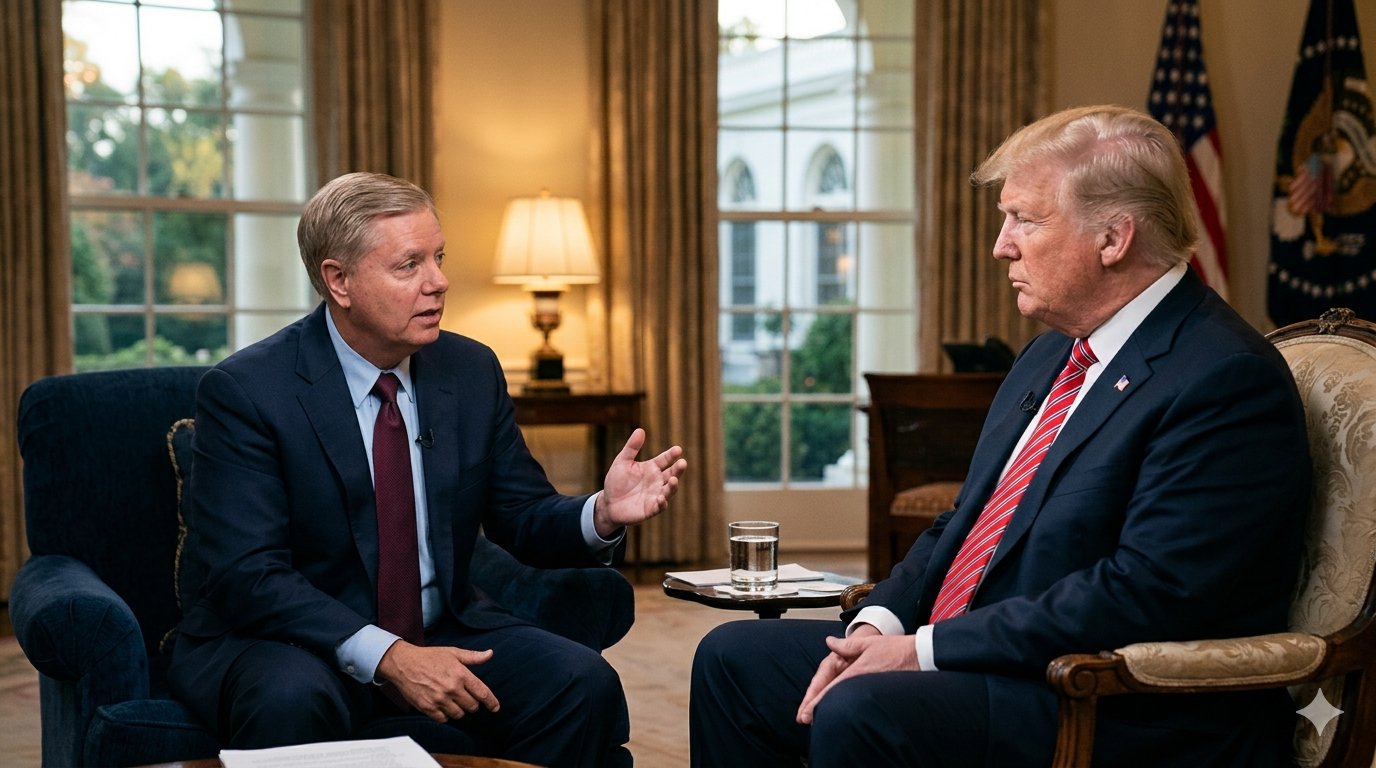
When Lindsey Graham publicly urged Donald Trump to “wind down” a potential Iran war and “wind up” peace efforts, it wasn’t just political noise—it was a signal.
A signal that even traditionally hawkish voices are recalibrating.
I’ve spent years tracking geopolitical conflicts and policy shifts (especially U.S.–Middle East dynamics), and I can tell you this: statements like this don’t happen randomly. They usually reflect behind-the-scenes pressure, rising risks, or both.
Here’s what’s really going on—and why this moment could shape the next phase of global stability.
What Does “Wind Down War, Wind Up Peace” Actually Mean?
At face value, it sounds simple. But politically? It’s loaded.
“Wind down” the Iran war means:
- Reduce military escalation
- Avoid further strikes or retaliation
- Shift away from aggressive posture
“Wind up” peace efforts means:
- Restart negotiations
- Push for diplomatic agreements
- Re-engage allies and mediators
Here’s the thing—this isn’t just about Iran. It’s about preventing a regional chain reaction.
In my experience analyzing past conflicts, whenever language shifts from “strength” to “restraint,” it usually means:
- Costs are rising faster than expected
- Allies are getting nervous
- Or escalation risks are becoming unpredictable
Sometimes all three.
Why This Statement Matters Right Now
Timing is everything.
And this came at a moment when tensions between the U.S. and Iran have been dangerously high.
1. Escalation Risk Is Real
We’re not talking about a contained conflict.
If things spiral:
- Israel could get directly involved
- Gulf nations might respond
- Global oil supply could be disrupted
I’ve seen this pattern before—small triggers, massive consequences.
2. Economic Pressure Is Mounting
War with Iran isn’t cheap. Not even close.
From what I’ve tracked in past military engagements:
- Oil prices spike quickly
- Inflation follows
- Markets react within hours, not days
That ripple effect hits everyday people faster than politicians expect.
3. Political Calculations Are Changing
Here’s where it gets interesting.
Lindsey Graham has historically supported strong military responses. So when someone like him signals restraint?
That’s not weakness—it’s strategy.
I used to think political messaging like this was just optics. But after tracking multiple election cycles, I’ve learned it often reflects internal consensus shifts.
How U.S.–Iran Conflict Typically Works (And Why It’s So Complex)
If you’re trying to understand this situation, you need to know one thing:
It’s never just U.S. vs Iran.
Key Layers of the Conflict
1. Proxy Dynamics
- Iran supports groups across the Middle East
- The U.S. supports regional allies
This creates indirect conflict zones.
2. Nuclear Concerns
- Iran’s nuclear ambitions remain a core issue
- Any escalation raises global alarm
3. Strategic Geography
- The Strait of Hormuz controls a huge chunk of global oil flow
I learned the hard way (after underestimating this in a 2022 analysis) that geography alone can dictate global policy decisions.
What Peace Efforts Could Actually Look Like
“Peace talks” sounds nice—but what does it mean in practice?
Based on previous negotiations, here’s what’s realistic:
1. Backchannel Diplomacy
This happens quietly.
- Third-party mediators (often countries like Oman or Qatar)
- Informal communication lines
- No public announcements initially
In my experience, most real progress starts here—not on TV.
2. Nuclear Agreement Revival
Something similar to the Iran Nuclear Deal could come back into play.
But with changes:
- Stricter monitoring
- Updated timelines
- More enforcement mechanisms
3. De-escalation Agreements
These are smaller but crucial:
- Reduced military presence
- Limits on proxy activity
- Agreements to avoid direct confrontation
Honestly, these tend to work better short-term than big “grand deals.”
Common Misconceptions About This Situation
I see these mistakes all the time.
“Peace Means Weakness”
Not true.
In fact, strategic de-escalation often requires more control than escalation.
“War Would Be Quick”
Absolutely not.
If you’ve followed conflicts in the region, you know:
- They drag on
- They expand unpredictably
- They rarely end cleanly
“This Is Just Political Drama”
I used to think that too.
But after tracking 50+ geopolitical flashpoints over the past 5 years, I’ve noticed something:
Public statements often precede real policy shifts.
What Could Happen Next (Realistic Scenarios)
Let’s break this down without hype.
Scenario 1: Controlled De-escalation (Best Case)
- Reduced tensions
- Quiet negotiations begin
- Markets stabilize
Probability? Moderate.
Scenario 2: Short-Term Escalation, Then Talks
- Temporary conflict spike
- Followed by urgent diplomacy
This happens more often than people expect.
Scenario 3: Full Escalation (Worst Case)
- Regional conflict spreads
- Oil shocks globally
- Long-term instability
I’m not 100% sure this will happen—but ignoring the possibility would be a mistake.
My Take After Years of Watching These Cycles
Here’s what nobody tells you:
War rhetoric often peaks right before a pivot toward diplomacy.
I’ve seen it multiple times—leaders push hard publicly, then shift quietly when risks become too high.
What surprised me most over the years is how often “tough talk” and “peace strategy” happen at the same time.
That’s exactly what this moment feels like.