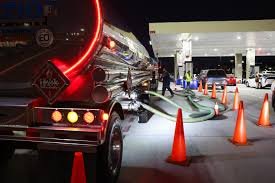
Global conflicts rarely stay confined to borders—and the latest developments in the Middle East are proving exactly that. What begins as geopolitical tension often ripples through global markets, eventually landing where consumers feel it most: gas stations.
At the same time, a new U.S. poll reveals that former President Donald Trump is facing a notable dip in economic approval ratings. This convergence of global instability and domestic political sentiment is shaping both voter perception and financial reality.
This article breaks down how Middle East conflicts are influencing fuel prices, why it matters to everyday consumers, and how declining economic approval ratings could impact future political and economic decisions.
How Middle East Conflicts Are Affecting Gas Stations
The Global Oil Connection
The Middle East has long been a critical hub for global oil production. Countries like Saudi Arabia, Iran, and Iraq supply a significant portion of the world’s crude oil.
When tensions escalate in this region, the consequences are immediate:
- Oil supply disruptions
- Increased shipping risks
- Higher insurance costs for tankers
- Speculative price spikes in global markets
These factors collectively push oil prices upward, which directly impacts gasoline prices at local pumps—even in countries far removed from the conflict.
Why Gas Stations Feel the Heat First
Gas stations act as the final link in a long supply chain. When crude oil prices rise:
- Refineries pay more for raw materials
- Distribution costs increase
- Retail fuel prices rise almost immediately
For consumers, this translates into higher daily expenses.
Key effects at gas stations:
- Sudden price hikes
- Increased volatility (prices changing frequently)
- Reduced consumer spending elsewhere
Economic Impact on Everyday Consumers
Rising Fuel Costs and Household Budgets
Fuel prices influence far more than just transportation. They impact:
- Grocery prices (due to transport costs)
- Delivery services
- Public transportation fares
- Overall inflation
For many households, especially in price-sensitive economies, rising fuel costs create a domino effect.
Small Businesses Under Pressure
Small businesses often operate on thin margins. Increased fuel costs can:
- Raise logistics expenses
- Reduce profitability
- Force price increases on customers
Industries most affected include:
- Delivery and logistics
- Agriculture
- Ride-sharing services
Latest U.S. Poll: Trump’s Economic Approval Rating Hits a New Low
What the Poll Reveals
Recent polling data indicates that Donald Trump is experiencing a decline in economic approval ratings—reaching one of the lowest points during his term.
This drop reflects growing concerns among voters about:
- Inflation
- Fuel prices
- Economic stability
- Global conflict management
Why Economic Approval Matters
Economic approval ratings are often the strongest predictor of political success in the U.S. When voters feel financial pressure, they tend to:
- Shift political preferences
- Demand policy changes
- Become more sensitive to global events
A decline in approval can influence:
- Election outcomes
- Policy decisions
- Market confidence
The Link Between Global Conflict and Political Sentiment
Voter Psychology in Times of Crisis
When global conflicts impact daily life—especially through rising costs—voters tend to hold leaders accountable, even if the causes are external.
This creates a perception loop:
- Conflict raises fuel prices
- Consumers feel financial strain
- Government leadership is blamed
- Approval ratings decline
Media and Public Perception
Media coverage amplifies the connection between international events and domestic issues. Headlines about:
- Rising oil prices
- Middle East tensions
- Economic uncertainty
…often shape public opinion more strongly than underlying economic data.
Market Reactions and Economic Signals
Oil Market Volatility
Oil markets react instantly to geopolitical developments. Even rumors of escalation in the Middle East can:
- Trigger price spikes
- Increase investor uncertainty
- Cause stock market fluctuations
Broader Economic Indicators
Rising fuel costs often correlate with:
- Higher inflation rates
- Reduced consumer spending
- Slower economic growth
This creates a challenging environment for policymakers.
Practical Tips to Manage Rising Fuel Costs
While global conflicts are beyond individual control, there are practical steps consumers can take to reduce the impact.
1. Optimize Driving Habits
- Avoid aggressive acceleration
- Maintain steady speeds
- Reduce unnecessary trips
2. Car Maintenance Matters
- Keep tires properly inflated
- Service engines regularly
- Use recommended fuel types
3. Use Fuel Apps and Price Trackers
Monitoring local fuel prices can help you fill up at the lowest rates available.
4. Consider Alternative Transport
- Carpooling
- Public transportation
- Cycling for short distances
5. Budget Adjustment Strategies
- Allocate a fixed fuel budget
- Cut non-essential expenses temporarily
- Plan long trips carefully
What This Means for the Future
Continued Price Volatility
As long as Middle East tensions persist, fuel prices are likely to remain unpredictable. Consumers should expect:
- Frequent price fluctuations
- Potential long-term increases
- Ongoing economic uncertainty
Political Implications
Declining economic approval ratings for Donald Trump could have lasting effects, including:
- Shifts in voter sentiment
- Policy adjustments
- Increased focus on energy independence
Energy Policy Shifts
Governments may respond by:
- Investing in renewable energy
- Increasing domestic oil production
- Strengthening strategic reserves
These measures aim to reduce dependence on volatile regi