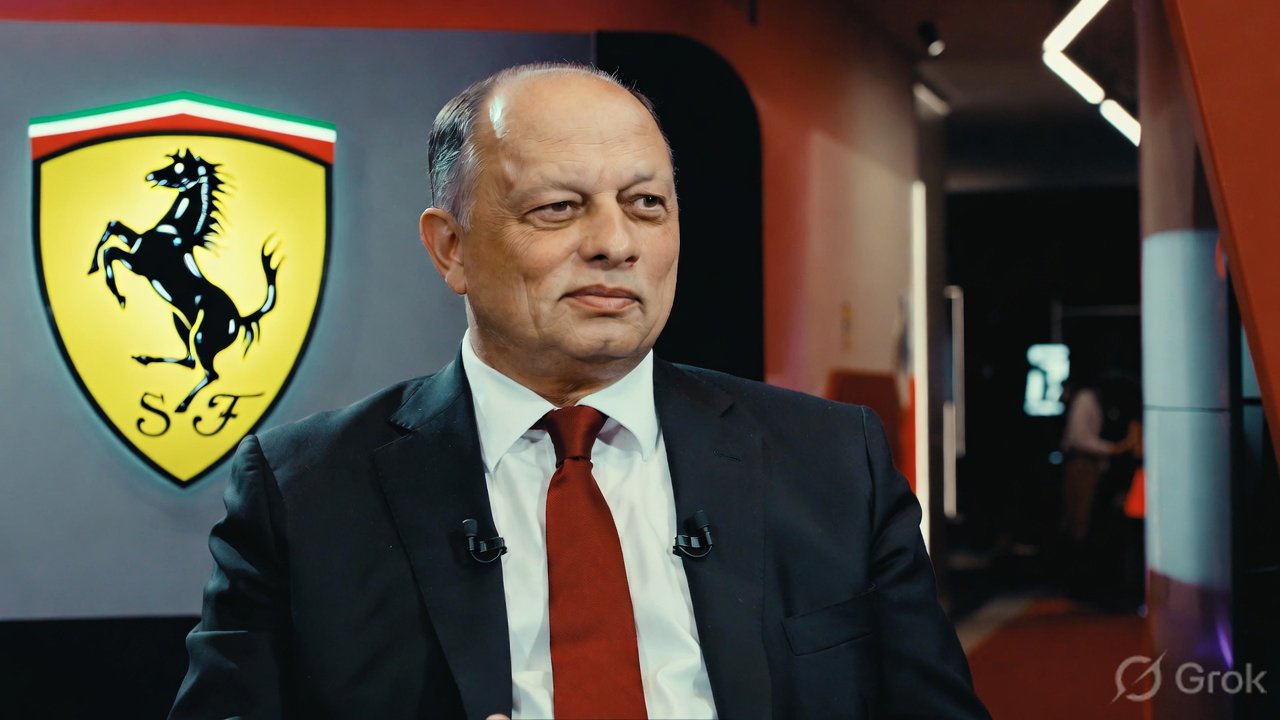
The arrival of Lewis Hamilton at Scuderia Ferrari created one of the biggest moments in modern Formula One history. Pairing a seven-time world champion with Ferrari’s long-time star Charles Leclerc instantly raised questions about team dynamics, race strategy, and internal competition.
But according to Ferrari team principal Fred Vasseur, the solution is simple: let them race.
Vasseur recently made headlines after stating that Ferrari is happy to let Hamilton and Leclerc compete freely on track. For Formula One fans, this announcement signals an exciting era where two elite drivers fight for victories without strict team orders—at least initially.
In this article, we’ll explore:
- Why Ferrari is allowing Hamilton and Leclerc to race each other
- How the strategy could impact Ferrari’s championship ambitions
- The benefits and risks of internal competition
- What fans and analysts can expect in upcoming seasons
Ferrari’s Bold Approach to Driver Competition
Historically, Ferrari has often favored a clear number-one driver strategy. In the past, legendary drivers such as Michael Schumacher benefited from strong team backing and clear hierarchy.
However, the situation today is different.
With Hamilton joining Leclerc, Ferrari now has two drivers capable of winning races and championships. Instead of forcing one driver into a supporting role, Vasseur believes competition can actually strengthen the team.
Why Fred Vasseur Supports Internal Competition
According to Vasseur, healthy competition between drivers can push the entire team forward.
Key reasons Ferrari is allowing both drivers to race include:
- Performance improvement – Drivers push each other to drive faster.
- Better data and development – Two elite drivers provide valuable feedback.
- Motivation across the team – Engineers and strategists perform at higher levels.
In simple terms, Ferrari wants maximum performance rather than strict hierarchy.
Lewis Hamilton’s Move to Ferrari: A Historic Transfer
When Hamilton announced his move to Ferrari, the motorsport world reacted with shock and excitement.
Hamilton’s career achievements include:
- Multiple world championships
- Over 100 Grand Prix victories
- Numerous pole positions and records
Joining Ferrari represents a new chapter in one of Formula One’s greatest careers.
Why Hamilton Chose Ferrari
Several factors likely influenced Hamilton’s decision:
- Legacy
Winning a championship with Ferrari would cement his status in F1 history. - New Challenge
After years with Mercedes, Hamilton wanted a fresh environment. - Ferrari’s Global Prestige
Ferrari remains the most iconic brand in motorsport.
If Hamilton can succeed at Ferrari, it could become one of the most remarkable career moves in Formula One history.
Charles Leclerc: Ferrari’s Homegrown Star
Before Hamilton arrived, Leclerc was already Ferrari’s leading driver.
The Monegasque racer has built a reputation for:
- Exceptional qualifying speed
- Aggressive race craft
- Strong loyalty to Ferrari
For years, Ferrari has built its future around Leclerc. Now, with Hamilton joining, the team has one of the strongest driver lineups on the grid.
What Hamilton’s Arrival Means for Leclerc
Instead of weakening Leclerc’s position, Hamilton’s arrival may actually help him.
Possible benefits include:
- Learning from one of the greatest drivers in history
- Increased competition improving performance
- Greater pressure pushing him to championship level
For Leclerc, the challenge is clear: beat a seven-time champion in equal machinery.
Can Two Number-One Drivers Work?
Having two elite drivers in the same team can be both powerful and risky.
Formula One history shows examples of both success and conflict.
Famous Teammate Rivalries
Some of the most intense battles happened between teammates:
- Ayrton Senna vs Alain Prost
- Nico Rosberg vs Lewis Hamilton
- Fernando Alonso vs Lewis Hamilton
These rivalries created incredible racing—but also internal tension.
Ferrari must ensure competition does not turn into destructive conflict.
Fred Vasseur’s Leadership Strategy
Fred Vasseur has emphasized clear rules and transparency within the team.
His leadership strategy focuses on:
- Fair treatment for both drivers
- Clear communication during races
- Team-first mentality
Vasseur understands that letting Hamilton and Leclerc race does not mean chaos.
Instead, Ferrari will likely implement structured competition rules, including:
- Avoiding unnecessary collisions
- Respecting team strategy when needed
- Prioritizing championship goals later in the season
Advantages of Letting Hamilton and Leclerc Race
Allowing both drivers to compete can bring several benefits to Ferrari.
1. Maximum Performance
Two drivers pushing each other often leads to faster lap times and improved race pace.
2. Technical Development
Feedback from both Hamilton and Leclerc will help Ferrari engineers improve the car more quickly.
3. Strong Championship Chances
If both drivers perform well, Ferrari could compete for:
- Drivers’ Championship
- Constructors’ Championship
This dual attack strategy increases Ferrari’s chances against rivals like Red Bull and Mercedes.
Potential Risks Ferrari Must Manage
While competition can boost performance, it also carries risks.
1. On-Track Collisions
Aggressive racing between teammates can lead to crashes that cost valuable points.
2. Team Tension
Strong personalities may clash under pressure.
3. Strategic Confusion
Race strategies can become complicated when both drivers fight for the same position.
Ferrari must balance freedom to race with disciplined teamwork.
How Ferrari Fans Are Reacting
Ferrari fans worldwide are thrilled about the possibility of Hamilton and Leclerc racing each other.
Why fans love this scenario:
- More exciting races
- Unpredictable outcomes
- Historic driver lineup
For Formula One viewers, internal Ferrari battles could become one of the most compelling storylines in the sport.
What This Means for the Future of Ferrari
Ferrari has struggled to consistently win championships in recent years.
However, the Hamilton-Leclerc partnership could change that.
If managed properly, this lineup offers:
- Experience (Hamilton)
- Youth and speed (Leclerc)
- Strategic leadership (Vasseur)
Together, they form a powerful combination capable of challenging the strongest teams on the grid.
Practical Lessons From Ferrari’s Strategy
Ferrari’s approach also offers lessons that apply beyond motorsport.
Key Leadership Lessons
- Encourage healthy competition
- Focus on team goals, not individual ego
- Use talent diversity to improve performance
- Create clear rules to avoid conflict
These principles apply not only in racing but also in business and team management.
What to Watch in the Upcoming Season
Fans should keep an eye on several key factors as Hamilton and Leclerc begin racing together.
Important Storylines
- Who adapts faster to the Ferrari car
- Qualifying battles between the two drivers
- Team strategy decisions during races
- Championship standings as the season progresses
If Ferrari’s car is competitive, the Hamilton vs Leclerc rivalry could become one of the defining narratives of the season.
Conclusion: A New Era for Ferrari
The statement that “Ferrari happy to let Lewis Hamilton, Charles Leclerc race each other – Fred Vasseur” signals a bold new direction for the iconic team.
Instead of restricting competition, Ferrari is embracing it.
With Hamilton’s legendary experience and Leclerc’s raw speed, the team now has a driver lineup capable of delivering unforgettable moments on the track.
If Ferrari can manage the balance between competition and teamwork, this partnership could finally bring the championship success the team has been chasing for years.
For Formula One fans, one thing is certain:
The battles between Hamilton and Leclerc in Ferrari colors may become some of the most exciting races in modern F1 history.