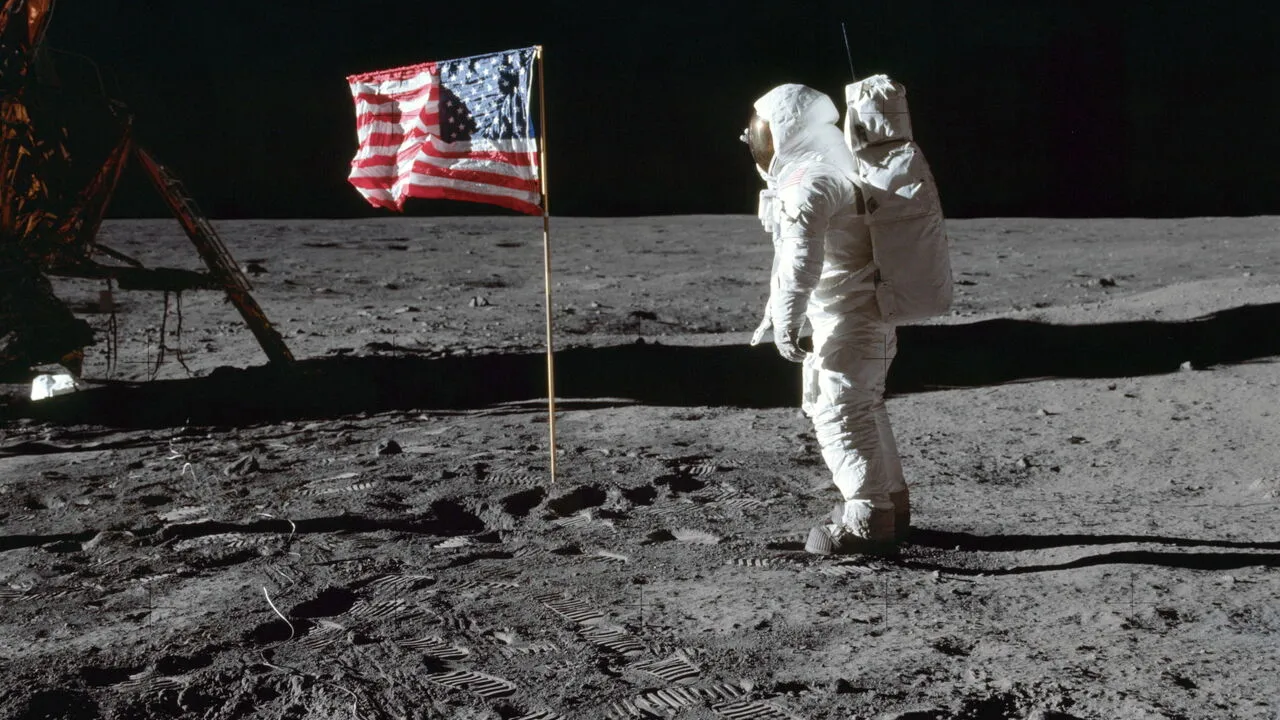
The dream of living and working on the Moon is no longer science fiction. With its newly announced $20 billion initiative, NASA is taking a bold step toward establishing a permanent human presence beyond Earth.
This ambitious project focuses on building a sustainable moon base near the lunar south pole—one of the most scientifically valuable and strategically important regions on the Moon. But what does this mean for humanity, space exploration, and future industries?
Let’s break it down.
Why the Lunar South Pole Matters
The lunar south pole has become the centerpiece of modern space exploration for a reason. Unlike other regions of the Moon, it offers unique advantages that make long-term habitation possible.
Key Benefits of the Lunar South Pole
- Water Ice Deposits
Permanently shadowed craters contain frozen water, crucial for drinking, oxygen, and rocket fuel. - Near-Constant Sunlight
Elevated ridges receive almost continuous sunlight, ideal for solar power generation. - Scientific Opportunity
Untouched terrain provides insights into the early solar system. - Strategic Positioning
Acts as a gateway for future missions to Mars and beyond.
NASA’s focus on this region aligns with its long-term exploration strategy, especially under the Artemis program.
Overview of NASA’s $20 Billion Moon Base Plan
NASA’s proposal outlines a multi-phase roadmap to establish a fully functional lunar base. This is not just a temporary mission—it’s a permanent outpost.
Phase 1: Robotic Exploration & Site Preparation
Before humans arrive, robotic systems will:
- Map terrain in high resolution
- Identify optimal landing zones
- Extract and analyze lunar resources
Phase 2: Initial Human Missions
Astronauts will begin short-term stays to:
- Test habitats and life-support systems
- Conduct scientific experiments
- Validate energy and communication systems
Phase 3: Permanent Lunar Base Construction
The final phase involves building:
- Modular habitats
- Research labs
- Energy systems powered by solar arrays
- Resource extraction units
Technologies Powering the Moon Base
NASA’s moon base will rely on cutting-edge technologies designed for extreme environments.
1. Advanced Habitat Systems
- Inflatable or 3D-printed structures
- Radiation shielding using lunar regolith
- Temperature-controlled living spaces
2. In-Situ Resource Utilization (ISRU)
Instead of transporting everything from Earth, NASA plans to use local resources:
- Convert ice into drinking water
- Produce oxygen for breathing
- Generate hydrogen for fuel
3. Autonomous Robotics
Robots will handle:
- Construction tasks
- Maintenance operations
- Hazard detection
4. Energy Infrastructure
- Solar panels placed in sunlit areas
- Battery storage systems
- Potential nuclear backup systems
Timeline: When Will the Moon Base Become Reality?
NASA’s roadmap is ambitious but structured.
Expected Milestones
- 2026–2028: Robotic missions and scouting
- 2028–2032: Human landing and testing
- 2032–2035: Initial base setup
- Beyond 2035: Expansion into a permanent colony
These timelines are aligned with the broader goals of the Artemis program, which aims to return humans to the Moon and keep them there.
Economic Impact of the $20 Billion Investment
This project isn’t just about space—it’s about economics, innovation, and global leadership.
Industries That Will Benefit
- Aerospace & Engineering
- Robotics & AI
- Energy & Sustainability
- Telecommunications
Job Creation
The initiative is expected to generate thousands of jobs, including:
- Engineers
- Scientists
- Technicians
- Data analysts
Private Sector Collaboration
NASA is working with private companies to accelerate development. This public-private partnership model reduces costs and boosts innovation.
Global Competition: A New Space Race?
NASA isn’t alone in targeting the Moon.
Other Key Players
- China’s lunar exploration program
- Russia’s space initiatives
- Private companies entering the space economy
The lunar south pole has effectively become the focal point of a new space race—one centered on sustainability and long-term presence rather than symbolic landings.
Challenges NASA Must Overcome
Despite its promise, the moon base project faces significant challenges.
1. Extreme Environment
- Temperatures range from -173°C to 127°C
- High radiation levels
- Micrometeorite impacts
2. Logistical Complexity
- Transporting materials across 384,400 km
- Maintaining supply chains
3. High Costs
- Budget overruns are a constant risk
- Long-term funding commitments required
4. Human Health Risks
- Bone density loss in low gravity
- Psychological effects of isolation
NASA is actively developing solutions to address each of these issues.
Practical Benefits for Life on Earth
While the project focuses on space, its benefits will be felt on Earth.
Spin-Off Technologies
- Improved solar energy systems
- Advanced water purification methods
- AI-driven automation
Environmental Insights
Studying lunar resources could lead to better resource management on Earth.
Inspiration & Education
This mission will inspire a new generation of scientists, engineers, and innovators.
How This Moon Base Supports Future Mars Missions
The Moon is not the final destination—it’s a stepping stone.
Why the Moon Matters for Mars
- Testing life-support systems
- Practicing long-duration missions
- Developing fuel production techniques
The lunar base will act as a training ground for interplanetary travel.
Practical Tips: What This Means for You
Even if you’re not an astronaut, this development has real-world implications.
For Students
- Focus on STEM fields
- Explore careers in aerospace and AI
For Investors
- Watch companies involved in space tech
- Look for emerging industries tied to lunar exploration
For Businesses
- Identify opportunities in supply chains
- Explore partnerships with space agencies
SEO Insights: Why This Topic Is Trending
The keyword “NASA unveils ambitious $20 billion plan to build moon base near lunar south pole” is gaining traction because:
- It combines technology + space + investment
- It appeals to global audiences
- It signals a major shift in human exploration
Related Keywords to Target
- NASA moon base plan
- lunar south pole mission
- Artemis program updates
- future of space exploration
- moon colonization timeline
Using these variations naturally improves search rankings and visibility.
The Bigger Picture: A New Era of Space Exploration
NASA’s moon base is more than a project—it’s a turning point.
For the first time, humanity is moving from exploration to habitation. This shift changes everything:
- Space becomes economically viable
- Long-term missions become sustainable
- Interplanetary travel becomes realistic
Conclusion: The Future Starts on the Moon
NASA’s $20 billion plan to build a moon base near the lunar south pole marks a historic milestone in human achievement. With advanced technology, global collaboration, and a clear vision, this initiative could redefine our place in the universe.
The Moon is no longer just a destination—it’s the foundation for humanity’s next chapter.