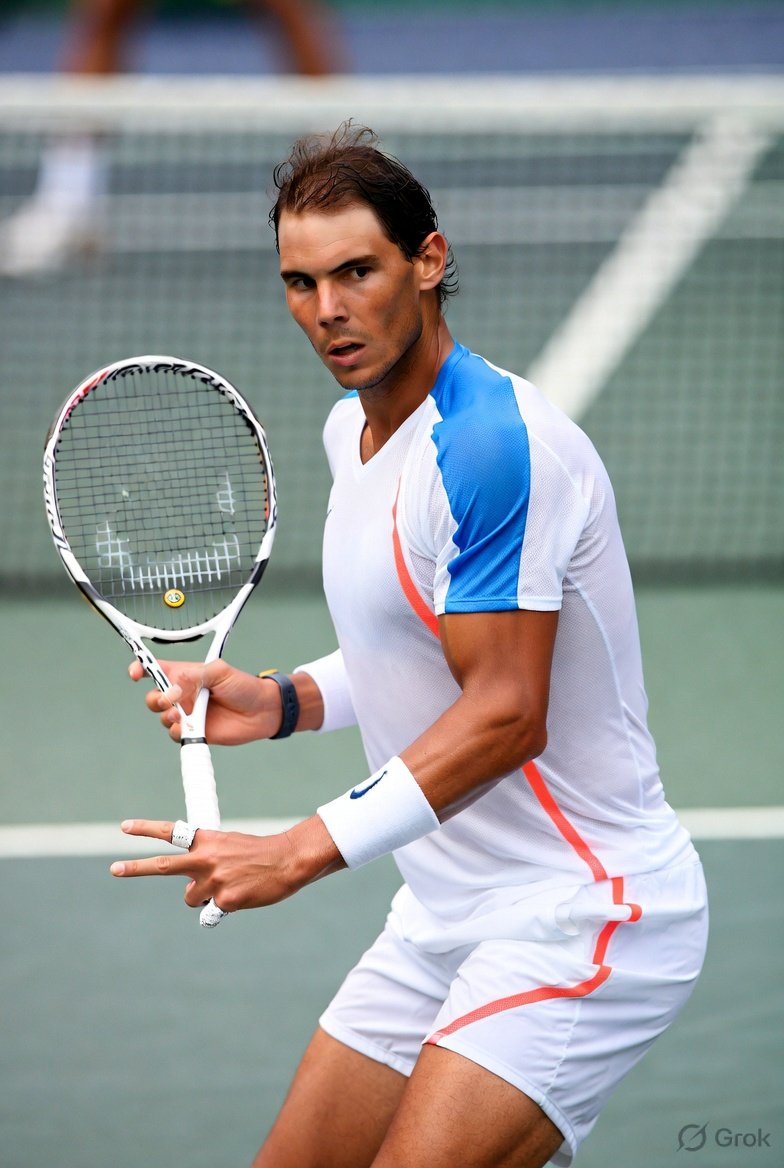
The Legendary Tennis Champion Who Redefined the Game
Few athletes in sports history have left a legacy as powerful as Rafael Nadal. Known as the “King of Clay,” Nadal has built one of the greatest careers in tennis with unmatched determination, athleticism, and humility.
From winning his first Grand Slam as a teenager to becoming one of the most successful players ever, Nadal’s journey is a story of discipline, resilience, and passion for the sport.
In this complete guide, we’ll explore Rafael Nadal’s career, achievements, playing style, records, and lessons from his success. Whether you’re a tennis fan or someone looking for inspiration, Nadal’s story offers valuable insights.
Who Is Rafael Nadal?
Rafael Nadal is a Spanish professional tennis player widely regarded as one of the greatest athletes in tennis history.
Quick Facts About Rafael Nadal
- Full Name: Rafael Nadal Parera
- Birth Date: June 3, 1986
- Birthplace: Manacor
- Country: Spain
- Playing Hand: Left-handed
- Professional Debut: 2001
Nadal’s aggressive baseline game and powerful topspin forehand helped him dominate tennis for nearly two decades.
Rafael Nadal’s Early Life and Tennis Beginnings
Rafael Nadal was introduced to tennis at a very young age. His uncle, Toni Nadal, recognized his potential and began coaching him when he was just three years old.
Growing up in Mallorca, Nadal trained intensely while balancing school and sports.
Early Achievements
By the age of 12, Nadal had already:
- Won regional tennis championships
- Defeated older competitors
- Established himself as a top junior talent in Spain
His dedication and physical strength quickly set him apart from other young players.
Rafael Nadal’s Breakthrough in Professional Tennis
Nadal turned professional at the age of 15 and quickly climbed the rankings.
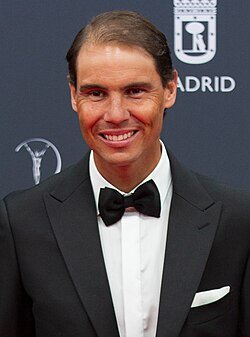
His major breakthrough came in 2005 when he won the French Open in his debut appearance.
At just 19 years old, he shocked the tennis world by dominating the clay courts of Roland Garros.
This victory marked the beginning of a historic career.
Why Rafael Nadal Is Called the “King of Clay”
No player in tennis history has dominated clay courts like Rafael Nadal.
His performance at the French Open is unmatched.
Nadal’s French Open Dominance
Key records include:
- 14 French Open titles
- Over 110 match wins at Roland Garros
- Multiple seasons with near-perfect clay records
These achievements make Nadal the most successful player in the history of the tournament.
His powerful topspin shots bounce higher on clay, making them extremely difficult for opponents to return.
Rafael Nadal’s Grand Slam Success
Throughout his career, Rafael Nadal has captured numerous Grand Slam titles.
Major Grand Slam Tournaments
The four biggest tennis events are:
- Australian Open
- French Open
- Wimbledon Championships
- US Open
Nadal has won each of these tournaments multiple times.
Career Grand Slam
Winning all four major tournaments is called a Career Grand Slam, and Nadal has achieved this rare milestone.
This accomplishment places him among the most elite players in tennis history.
The Rivalries That Defined Nadal’s Career
Tennis fans witnessed one of the greatest eras in sports thanks to Nadal’s rivalries with legendary players.
Rafael Nadal vs Roger Federer
The rivalry between Rafael Nadal and Roger Federer produced some of the greatest matches ever played.
Their iconic match in the Wimbledon Championships final in 2008 is often called the greatest tennis match of all time.
Key highlights:
- Contrasting playing styles
- Historic Grand Slam battles
- Mutual respect and sportsmanship
Rafael Nadal vs Novak Djokovic
Another legendary rivalry is between Nadal and Novak Djokovic.
Their matches are known for:
- Long rallies
- Intense physical battles
- Tactical brilliance
Together, Nadal, Federer, and Djokovic dominated tennis for nearly two decades.
Rafael Nadal’s Playing Style
What makes Rafael Nadal so unique on the court?
His style combines athleticism, power, and mental toughness.
Key Strengths
1. Topspin Forehand
Nadal’s forehand generates extreme topspin, pushing opponents far behind the baseline.
2. Incredible Defense
He can chase down almost any shot and turn defense into offense.
3. Physical Endurance
Nadal is known for his stamina and ability to play long matches.
4. Mental Toughness
He rarely gives up, even when losing.
Rafael Nadal’s Training and Work Ethic
One reason for Nadal’s success is his legendary discipline.
His training routine focuses on:
- Strength training
- Footwork drills
- Endurance workouts
- Mental focus exercises
Young athletes often study Nadal’s work ethic as a model for success.
Injuries and Comebacks
Throughout his career, Rafael Nadal has faced many injuries.
Common issues included:
- Knee problems
- Wrist injuries
- Foot pain
Despite these setbacks, Nadal repeatedly returned to the court stronger than before.
His ability to recover and compete at the highest level shows extraordinary determination.
Rafael Nadal’s Olympic Success
Nadal also achieved success at the Olympics.
He won:
- Gold medal in singles at the 2008 Beijing Olympics
- Gold medal in doubles at the 2016 Rio Olympics
Representing Spain on the global stage remains one of the proudest moments of his career.
Rafael Nadal’s Records and Achievements
Over the years, Nadal has built an extraordinary list of records.
Major Achievements
- 20+ Grand Slam titles
- Record 14 French Open championships
- Olympic gold medals
- Hundreds of ATP match wins
- Former World No. 1 ranking
His achievements place him among the greatest athletes of all time.
Life Outside Tennis
Beyond the court, Rafael Nadal is known for his humility and philanthropy.
Rafael Nadal Foundation
Nadal created the Rafael Nadal Foundation to support education and sports programs for children.
The foundation focuses on:
- Youth development
- Educational opportunities
- Sports training for underprivileged communities
Lessons from Rafael Nadal’s Success
Nadal’s career offers valuable lessons for athletes and professionals alike.
1. Discipline Creates Excellence
Consistent hard work leads to long-term success.
2. Never Give Up
Nadal has won many matches after being close to defeat.
3. Stay Humble
Despite global fame, Nadal remains grounded and respectful.
4. Adapt and Improve
He constantly improved his strategy and fitness throughout his career.
Why Rafael Nadal Is Loved by Fans
Fans around the world admire Nadal for more than his victories.
Reasons for His Popularity
- Sportsmanship on and off the court
- Emotional connection with fans
- Passion during matches
- Respect for opponents
His authenticity has made him one of the most respected athletes globally.
The Legacy of Rafael Nadal
As tennis evolves, the legacy of Rafael Nadal will continue to influence future generations.
Young players study his:
- Footwork techniques
- Mental toughness
- Clay court strategy
Many believe Nadal’s dominance at French Open may never be matched.
His career represents the golden era of tennis.
Conclusion: Why Rafael Nadal Is a True Tennis Icon
The journey of Rafael Nadal proves that greatness is built on dedication, resilience, and passion.
From a young boy training in Mallorca to becoming one of the most successful players in tennis history, Nadal has inspired millions worldwide.
His incredible achievements, unforgettable rivalries, and humble personality have made him a true legend of the sport.
Key Takeaways
- Nadal is one of tennis’s greatest champions
- His dominance on clay courts is historic
- His rivalries shaped modern tennis
- His discipline and humility inspire fans everywhere
Leave a Reply