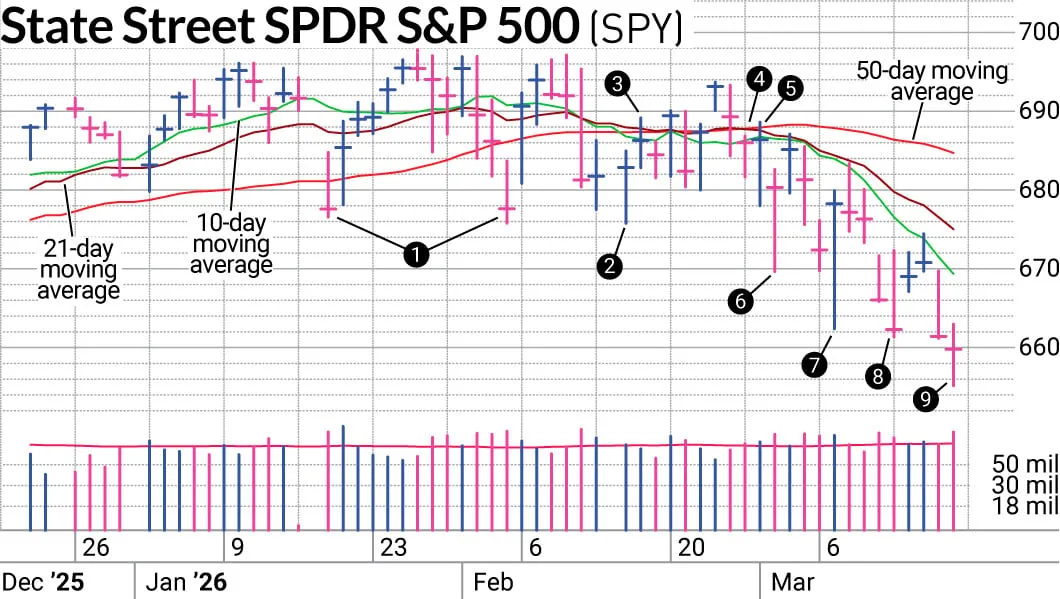
Introduction: Why SPY Stock Is One of the Most Traded Securities on Earth
If you’ve spent even five minutes researching investing, you’ve almost certainly come across the term SPY stock. It shows up in beginner guides, advanced trading strategies, retirement portfolios, and hedge fund disclosures alike. But what exactly is it, and why does it matter so much?
SPY — the ticker symbol for the SPDR S&P 500 ETF Trust — is the oldest and most liquid exchange-traded fund (ETF) in the United States. Launched in January 1993 by State Street Global Advisors, SPY was designed to track the performance of the S&P 500 Index, which represents 500 of the largest publicly traded companies in America.
In simple terms: when you buy SPY stock, you’re buying a small slice of 500 of the biggest companies in the world — all in a single trade.
This guide covers everything you need to know about SPY stock: how it works, why investors love it, the risks involved, and practical strategies to make it work for your financial goals.
What Is SPY Stock? Understanding the Basics
The S&P 500 ETF Explained
SPY is an exchange-traded fund, which means it trades on the stock exchange just like individual company shares. Unlike a mutual fund, you can buy and sell SPY throughout the trading day at real-time prices.
The underlying index — the S&P 500 — is widely regarded as the best single gauge of large-cap U.S. equities. It includes household names like Apple, Microsoft, Amazon, Nvidia, and Alphabet. The index is market-cap weighted, meaning companies with higher valuations carry a larger influence on the overall index performance.
When you invest in SPY stock, you’re not betting on one company. You’re investing in the collective performance of the American economy.
Key Facts About SPY Stock
- Full Name: SPDR S&P 500 ETF Trust
- Ticker: SPY
- Exchange: NYSE Arca
- Expense Ratio: 0.0945% annually
- Inception Date: January 22, 1993
- Assets Under Management: Over $550 billion (one of the largest ETFs globally)
- Dividend: Quarterly distributions based on dividends from underlying holdings
- Liquidity: Extremely high — often the most traded security by dollar volume in the world
Why Investors Choose SPY Stock: The Core Advantages
1. Instant Diversification
Owning SPY is like owning 500 companies at once. That level of diversification dramatically reduces the risk that comes from putting all your money into a single stock. If one company crashes, it barely moves the needle when spread across 500 holdings.
2. Low Cost
With an expense ratio of just 0.0945%, SPY costs almost nothing to hold. Compare this to actively managed mutual funds, which often charge 1% or more annually — and usually underperform the index anyway.
Over 30 years, that difference in fees can amount to tens of thousands of dollars in your pocket.
3. High Liquidity
SPY is one of the most actively traded securities in the world. This means you can buy or sell shares almost instantly at prices very close to fair value — an important advantage that many smaller ETFs can’t offer.
4. Long-Term Performance
The S&P 500 has historically delivered an average annual return of roughly 10% per year over the long term (before inflation). This isn’t guaranteed going forward, but the historical track record is compelling.
5. Transparency
SPY’s holdings are disclosed daily. You always know exactly what you own.
How SPY Stock Works: A Closer Look at the Mechanics
Tracking the Index
SPY uses a full replication strategy — meaning it actually holds all 500 stocks in the S&P 500 in proportions that mirror the index. This keeps tracking error (the difference between SPY’s performance and the actual S&P 500) extremely low.
NAV vs. Market Price
Every ETF has a Net Asset Value (NAV) — the actual value of its underlying holdings per share. SPY’s market price trades very close to its NAV due to an arbitrage mechanism involving authorized participants (large financial institutions). If the price deviates too much, these institutions step in and correct it.
Dividends
Companies in the S&P 500 pay dividends, and SPY passes those through to shareholders quarterly. The current dividend yield on SPY is typically around 1.2%–1.5% annually, though it fluctuates.
SPY Stock vs. Other S&P 500 ETFs: How Does It Compare?
SPY isn’t the only S&P 500 ETF on the market. Two major competitors are IVV (iShares Core S&P 500 ETF) and VOO (Vanguard S&P 500 ETF). Here’s how they stack up:
| Feature | SPY | IVV | VOO |
|---|---|---|---|
| Expense Ratio | 0.0945% | 0.03% | 0.03% |
| Liquidity | Extremely High | High | High |
| Options Market | Very Active | Active | Less Active |
| Launched | 1993 | 2000 | 2010 |
Key takeaway: If you’re a long-term buy-and-hold investor, IVV or VOO may be slightly better due to their lower fees. If you’re an active trader or options trader, SPY’s unmatched liquidity makes it the preferred choice.
Who Should Invest in SPY Stock?
SPY is suitable for a wide range of investors, but it’s particularly well-suited for:
- Beginners who want broad market exposure without stock-picking stress
- Long-term investors building wealth through consistent contributions over decades
- Retirement savers using tax-advantaged accounts like IRAs or 401(k)s
- Active traders who want to trade the broader market using options or short-term positions
- Risk-conscious investors who want growth without concentrating in a single sector
It’s less ideal for investors who specifically want exposure to small-cap stocks, international markets, or sectors like real estate and commodities.
Practical Tips for Investing in SPY Stock
Tip 1: Use Dollar-Cost Averaging (DCA)
Rather than trying to time the market, invest a fixed dollar amount in SPY at regular intervals — monthly or bi-weekly. This strategy smooths out the impact of market volatility over time and removes the emotional burden of trying to pick the “perfect” entry point.
Tip 2: Reinvest Dividends
Set up automatic dividend reinvestment (DRIP) in your brokerage account. Over decades, reinvested dividends can account for a significant portion of total returns due to compounding.
Tip 3: Hold in Tax-Advantaged Accounts
If possible, hold SPY in a Roth IRA or Traditional IRA. This lets dividends and capital gains grow without being taxed each year — a powerful advantage over time.
Tip 4: Don’t Panic During Corrections
The S&P 500 has experienced dozens of corrections (10%+ declines) and several bear markets (20%+ declines) throughout its history. Every single time, it has eventually recovered and gone on to new highs. Selling during a downturn locks in losses and causes you to miss the recovery.
Tip 5: Understand What You Own
Review SPY’s top holdings periodically. As of 2025, the top five holdings include companies like Apple, Microsoft, Nvidia, Amazon, and Meta — accounting for over 25% of the fund. This means SPY does have meaningful concentration in the technology sector.
Tip 6: Combine SPY with Other Asset Classes
SPY is a great core holding, but a balanced portfolio may also include:
- Bond ETFs (e.g., AGG or BND) for stability
- International ETFs (e.g., VXUS or EFA) for global diversification
- Small-cap ETFs (e.g., IWM) for additional growth potential
Common Mistakes to Avoid with SPY Stock
Treating SPY as a “safe” investment: SPY can and does drop sharply during recessions. In 2008–2009, it fell roughly 55%. In the COVID crash of 2020, it dropped about 34% in just weeks. It’s a great long-term investment, but not a risk-free one.
Over-trading SPY: The appeal of SPY’s liquidity can tempt investors to trade frequently. Studies consistently show that overtrading harms returns. The most successful SPY investors are often those who buy and hold for years.
Ignoring tax implications: Selling SPY for a profit triggers capital gains taxes. Hold for more than one year to qualify for the lower long-term capital gains rate.
Neglecting rebalancing: If SPY grows significantly relative to other holdings, rebalance your portfolio annually to maintain your target asset allocation.
SPY Stock and Options Trading
One of the most popular uses of SPY beyond simple investing is options trading. SPY options are among the most liquid in the entire options market, making them ideal for:
- Hedging existing portfolios against downside risk
- Generating income through covered calls or cash-secured puts
- Speculating on short-term market direction
SPY options trade in both standard monthly contracts and weekly expirations — giving traders enormous flexibility. However, options trading carries significant risk and is not recommended for beginners without proper education.
The Long-Term Case for SPY Stock
The long-term bull case for SPY rests on several pillars:
- U.S. corporate earnings growth tends to rise over time alongside the economy
- Innovation and productivity drive continued expansion of American business
- Inflation pushes nominal asset prices higher over time
- Institutional demand from pension funds, sovereign wealth funds, and retirement accounts provides a steady bid for equities
Warren Buffett himself has repeatedly stated that the best investment most people can make is a low-cost S&P 500 index fund — and SPY fits that description almost perfectly.
That said, past performance doesn’t guarantee future results. Geopolitical shocks, recessions, and market dislocations can cause significant short-term drawdowns. The key is maintaining a long-term horizon.