Global Trends, Causes, and Future Outlook
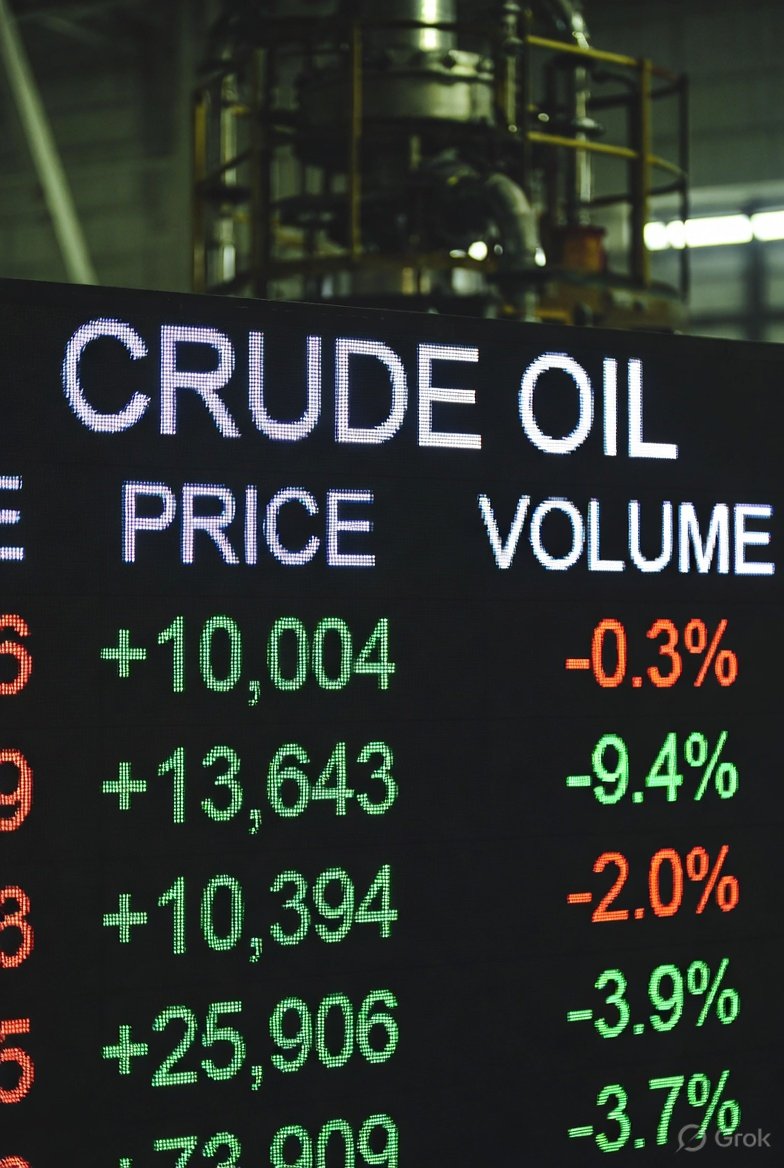
Crude oil prices are one of the most closely watched indicators in the global economy. From transportation and manufacturing to electricity and consumer goods, oil affects almost every sector. When crude oil prices rise, fuel becomes more expensive, inflation increases, and businesses face higher operating costs. When prices fall, economies often experience relief through lower energy costs.
Because crude oil remains the world’s most important energy resource, changes in crude oil prices influence global trade, national economies, and everyday life. Governments, investors, and industries constantly monitor oil price movements to understand economic trends.
In this comprehensive guide, we’ll explore what crude oil prices are, what causes them to change, their impact on the global economy, and what the future may hold for energy markets.
What Are Crude Oil Prices?
Crude oil prices refer to the market value of unrefined petroleum extracted from underground reservoirs. This raw oil is later refined into products such as:
- Petrol (gasoline)
- Diesel fuel
- Jet fuel
- Heating oil
- Lubricants
- Petrochemicals used in plastics and industrial materials
Oil is traded globally in barrels, with one barrel containing 42 gallons (approximately 159 liters) of crude oil.
The price of crude oil fluctuates daily based on supply, demand, geopolitical events, and market expectations.
Major Global Crude Oil Benchmarks
To track crude oil prices, international markets rely on several benchmark oils. These benchmarks act as reference points for oil trading worldwide.
1. Brent Crude
Brent crude is the most widely used benchmark for global oil prices. It is extracted from oil fields in the North Sea and is used as a pricing reference for oil in Europe, Africa, and parts of Asia.
2. West Texas Intermediate (WTI)
WTI is the main benchmark used in the United States. Known for its high quality and low sulfur content, it is commonly traded on American commodity exchanges.
3. Dubai/Oman Crude
This benchmark is used primarily for oil exports from the Middle East to Asia.
These three benchmarks help determine global crude oil prices and influence energy markets worldwide.
How Crude Oil Prices Are Determined
The price of crude oil is determined by several key factors, but the most important is global supply and demand.
Supply Factors
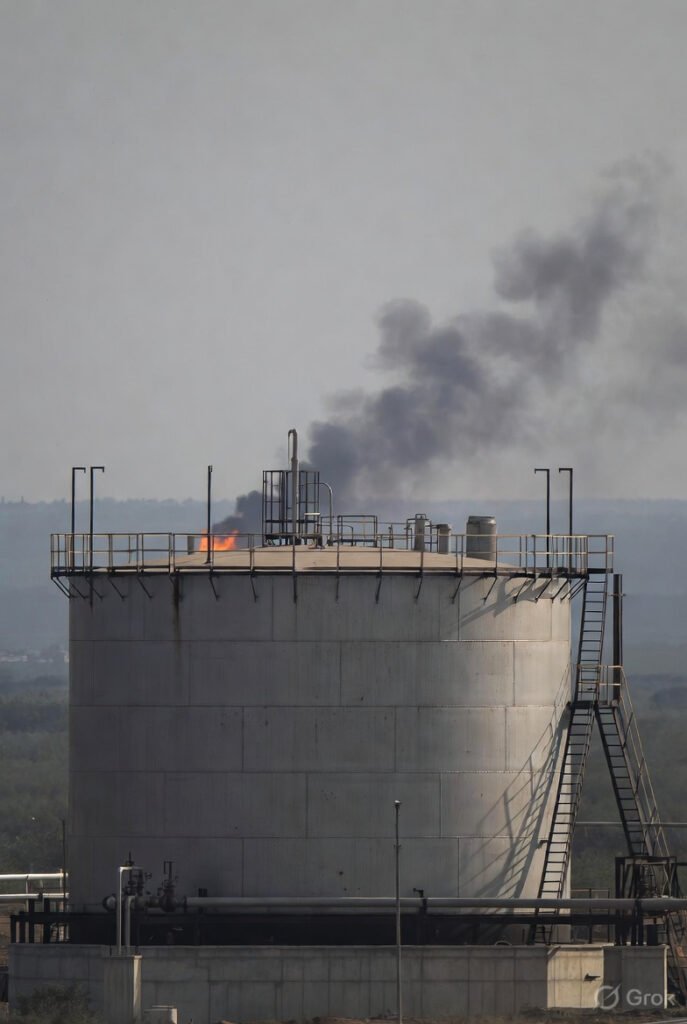
Oil supply comes from major producing countries and companies. When supply increases, prices usually fall. When supply decreases, prices tend to rise.
Major oil-producing regions include:
- Middle East
- United States
- Russia
- Canada
- South America
Production levels from these regions significantly influence crude oil prices.
Demand Factors
Demand for crude oil depends on economic activity around the world.
When economies grow, industries require more energy for:
- Manufacturing
- Transportation
- Construction
- Logistics
This increase in energy consumption pushes crude oil prices higher.
During economic slowdowns, demand falls and prices often decline.
Role of OPEC in Crude Oil Prices
The Organization of the Petroleum Exporting Countries (OPEC) plays a major role in controlling global oil supply.
OPEC includes major oil-exporting nations that coordinate production levels to stabilize markets.
How OPEC Influences Oil Prices
- Production cuts reduce supply and increase prices.
- Production increases expand supply and may lower prices.
OPEC decisions are closely watched by investors, governments, and energy companies because they can quickly affect crude oil prices worldwide.
Geopolitical Events and Oil Prices
Political events can dramatically impact crude oil prices.
Oil production is heavily concentrated in regions that sometimes experience geopolitical tensions.
Examples of disruptions include:
- Wars or military conflicts
- Economic sanctions
- Political instability
- Trade disputes
Even rumors of supply disruptions can cause sudden price spikes in global markets.
Currency Value and Oil Prices
Crude oil is traded globally in U.S. dollars.
This creates a strong relationship between the dollar and crude oil prices.
When the Dollar Strengthens
- Oil becomes more expensive for countries using other currencies.
- Global demand may decline.
When the Dollar Weakens
- Oil becomes cheaper internationally.
- Demand may increase.
Because of this relationship, currency markets also influence crude oil prices.
Natural Disasters and Oil Supply
Weather events can temporarily disrupt oil production and transportation.
Examples include:
- Hurricanes damaging offshore oil platforms
- Flooding affecting refineries
- Extreme winter storms disrupting pipelines
Such events reduce supply and often cause short-term increases in crude oil prices.
Historical Crude Oil Price Trends
Over the past several decades, crude oil prices have experienced dramatic fluctuations.
Major Oil Price Events
1973 Oil Crisis
An oil embargo by Middle Eastern countries caused global prices to surge, triggering economic shocks in many countries.
2008 Oil Price Peak
Oil prices reached nearly $147 per barrel, driven by strong demand and market speculation.
2020 Pandemic Crash
During the global pandemic, oil demand collapsed as travel and economic activity slowed. Oil prices briefly fell below zero in futures markets.
These events show how quickly crude oil prices can change.
How Crude Oil Prices Affect the Global Economy
Changes in crude oil prices influence multiple sectors of the global economy.
1. Transportation
Fuel costs directly affect airlines, shipping companies, trucking firms, and public transportation systems.
Higher oil prices increase travel and transportation costs.
2. Manufacturing
Factories rely on energy for production and logistics.
Rising crude oil prices increase:
- Raw material costs
- Energy expenses
- Shipping fees
These costs are often passed on to consumers.
3. Inflation
Higher crude oil prices often lead to higher inflation.
Energy costs affect many industries, including food production and retail distribution.
When oil prices rise sharply, consumer prices may increase across the economy.
4. Government Budgets
Oil-exporting countries depend heavily on oil revenue.
Higher crude oil prices improve government income for exporting nations, while importing countries may face higher energy bills.
Crude Oil Prices and Energy Transition
The global shift toward renewable energy is gradually influencing crude oil demand.
Alternative energy sources include:
- Solar power
- Wind energy
- Hydropower
- Electric vehicles
As renewable technologies grow, some analysts believe oil demand may eventually decline.
However, crude oil remains essential for industries such as aviation, shipping, petrochemicals, and heavy manufacturing.
Crude Oil Price Forecast
Predicting crude oil prices is difficult because markets respond to many unpredictable factors.
However, analysts often monitor several key indicators.
Key Indicators for Oil Price Trends
- Global economic growth
- OPEC production decisions
- Political stability in oil-producing regions
- Energy demand in emerging economies
- Renewable energy adoption
While forecasts vary, most experts agree that crude oil prices will remain volatile but essential to global energy markets.
Practical Tips to Manage Rising Crude Oil Prices
Rising crude oil prices can affect both individuals and businesses. Taking proactive steps can help reduce financial impact.
Tips for Individuals
1. Improve vehicle efficiency
Drive fuel-efficient vehicles or consider hybrid or electric options.
2. Reduce unnecessary travel
Combining trips and using public transport can reduce fuel costs.
3. Monitor fuel prices
Using fuel price apps helps find cheaper petrol stations.
Tips for Businesses
1. Optimize transportation routes
Efficient logistics can significantly reduce fuel consumption.
2. Invest in energy efficiency
Using modern energy-saving equipment reduces operational costs.
3. Diversify energy sources
Renewable energy solutions can help reduce dependence on fossil fuels.
Investment Opportunities Linked to Crude Oil Prices
Energy markets also offer investment opportunities.
Common investment options include:
- Oil company stocks
- Energy exchange-traded funds (ETFs)
- Oil futures and commodities trading
- Infrastructure and pipeline companies
However, oil markets are highly volatile, so investors must research carefully before investing.
Future of Crude Oil Prices
The future of crude oil prices will depend on several major trends shaping the global energy landscape.
Key Future Trends
- Growth of electric vehicles
- Government climate policies
- Technological innovations in energy
- Expansion of renewable power
- Changing global energy demand
Even with the rise of alternative energy, crude oil will likely remain a crucial energy source for decades.
Conclusion: Why Crude Oil Prices Matter
Crude oil prices are a powerful force shaping the global economy. They influence fuel costs, inflation, business expenses, and international trade.
Understanding how crude oil prices work helps individuals, businesses, and investors make smarter decisions in an increasingly energy-driven world.
As the world gradually transitions toward cleaner energy, crude oil will continue to play a major role in transportation, industry, and global markets.
Stay Updated on Crude Oil Prices
Energy markets change quickly, and staying informed is essential.
Follow reliable financial news sources, track crude oil price trends, and understand how global events influence energy markets.
Bookmark this guide and share it with others who want to better understand crude oil prices and their impact on the world economy.