In today’s fast-changing economic world, the word capital is everywhere — business news, stock markets, startups, banking, and even personal finance discussions. But what exactly is capital? Why is it considered the backbone of economic growth? And more importantly, how can you build and manage capital effectively?
Whether you’re a student, entrepreneur, investor, or working professional, understanding capital can transform how you think about money, business, and long-term wealth.
In this detailed guide, we’ll break down the meaning of capital, its types, importance in the economy, real-world examples, and practical tips to grow your capital smartly.
What Is Capital?
In simple terms, capital refers to financial assets or resources used to generate income or create value. It can be money, equipment, property, investments, or even intellectual property that helps produce goods and services.
Economically, capital is one of the primary factors of production, along with:
Land
Labor
Entrepreneurship
Without capital, businesses cannot operate efficiently, expand production, or innovate.
Types of Capital You Must Understand
Capital is not just cash in a bank account. It comes in different forms. Let’s explore the major types of capital.
1. Financial Capital
This is the most common type of capital. It includes:
Cash
Bank balances
Stocks and bonds
Investments
Loans
Financial capital allows businesses to buy machinery, pay salaries, and invest in expansion.
2. Physical Capital
Physical capital refers to tangible assets used in production, such as:
Machinery
Buildings
Tools
Vehicles
Equipment
For example, a factory’s machines are physical capital.
3. Human Capital
Human capital includes skills, knowledge, education, and experience that individuals possess.
For example:
A skilled software developer
A trained surgeon
An experienced marketing expert
The better the skills, the higher the human capital value.
4. Social Capital
Social capital refers to relationships, trust, and networks that create value.
Examples include:
Business partnerships
Professional networks
Community support systems
Strong networks can open new business opportunities and funding access.
5. Intellectual Capital
Intellectual capital includes:
Patents
Trademarks
Brand value
Copyrights
Proprietary technology
Companies like Apple Inc. and Google LLC heavily rely on intellectual capital to maintain competitive advantage.
Why Is Capital Important in the Economy?
Capital plays a central role in economic development and wealth creation. Here’s why:
1. Drives Production
Without capital, production cannot happen. Machines, tools, and funds are required to produce goods and services.
2. Boosts Productivity
Advanced machinery and technology increase efficiency and output.
3. Encourages Innovation
Research and development require funding. Capital fuels innovation and new ideas.
4. Creates Employment
Businesses with adequate capital expand operations and hire more employees.
5. Increases National Growth
Higher capital investment leads to GDP growth and better infrastructure.
Capital vs Money: Are They the Same?
Many people confuse money with capital, but they are not identical.
Money is a medium of exchange.
Capital is money or assets used to generate more money.
For example:
₹10,000 in your wallet is money.
₹10,000 invested in a business is capital.
Capital has a purpose — wealth generation.
How Businesses Raise Capital
Every business needs capital to start and grow. Here are common methods:
1. Equity Financing
Selling shares to investors
Venture capital funding
Angel investors
Companies like Tesla, Inc. raised massive capital through equity markets.
2. Debt Financing
Bank loans
Bonds
Credit lines
Businesses borrow money and repay with interest.
3. Internal Funding
Retained earnings
Profits reinvested in business
This reduces dependency on external lenders.
Working Capital vs Fixed Capital
Understanding this distinction is crucial.
Working Capital
Used for daily operations:
Salaries
Rent
Raw materials
Utility bills
Formula: Working Capital = Current Assets – Current Liabilities
Fixed Capital
Used for long-term investment:
Buildings
Machinery
Infrastructure
Both are essential for business survival and growth.
How to Build Personal Capital (Smart Strategies)
Capital is not just for corporations. You can build personal capital too.
1. Increase Human Capital
Invest in:
Education
Certifications
Skill development
Online courses
Higher skills = Higher income potential.
2. Build Financial Capital
Start with:
Emergency fund
SIP investments
Stocks and mutual funds
Real estate
Diversify to reduce risk.
3. Create Intellectual Capital
You can develop:
Online courses
Books
Blogs
Digital products
Passive income comes from intellectual capital.
4. Strengthen Social Capital
Attend networking events
Build LinkedIn presence
Collaborate with experts
Opportunities often come from connections.
Common Mistakes People Make with Capital
Avoid these common errors:
Keeping all capital idle in savings.
Ignoring skill development.
Taking high-interest debt unnecessarily.
Failing to diversify investments.
Not tracking cash flow.
Capital management requires planning and discipline.
Role of Capital in Startups
Startups depend heavily on capital for:
Product development
Marketing campaigns
Hiring talent
Scaling operations
Companies like Amazon.com, Inc. started small but used strategic capital investment to dominate global markets.
Capital in Modern Digital Economy
Today, digital capital is rising rapidly:
Cryptocurrency investments
Digital assets
Online businesses
SaaS platforms
Companies such as Microsoft Corporation leverage cloud technology as a capital-intensive digital infrastructure.
Digital transformation is redefining capital structures worldwide.
How Governments Use Capital
Governments allocate capital to:
Infrastructure projects
Healthcare systems
Education reforms
Defense systems
Public capital spending improves long-term national productivity.
For example, capital investments in smart cities increase employment and economic stability.
Practical Tips to Manage Capital Efficiently
Here are actionable steps:
1. Track Every Expense
Use budgeting apps or spreadsheets.
2. Maintain Liquidity
Ensure quick access to emergency funds.
3. Diversify Investments
Avoid putting all capital in one asset class.
4. Reinvest Profits
Compounding accelerates capital growth.
5. Reduce Unnecessary Debt
High-interest debt destroys capital.
The Future of Capital
Capital is evolving with:
AI investments
Green energy funding
Sustainable businesses
Digital currencies
Global economies are shifting towards knowledge-based and tech-driven capital systems.
Businesses and individuals who adapt early will gain long-term advantages.
Conclusion: Capital Is the Foundation of Wealth Creation
Capital is far more than just money — it is the engine that powers businesses, drives innovation, creates employment, and builds wealth.
Understanding different types of capital — financial, physical, human, social, and intellectual — gives you a strategic advantage in life and business.
If you want financial freedom:
Invest in your skills.
Build diversified assets.
Strengthen your network.
Make capital work for you.
Start today. Even small, consistent steps toward building capital can transform your financial future.
Introduction: Why Texas Primary Results Matter More Than Ever
Texas is no longer a political afterthought. Once considered a safely red state, Texas has steadily shifted into a fiercely contested battleground — and the Texas primary results now send ripples across the entire national political landscape.
Whether you’re a first-time voter, a political junkie, or a campaign strategist, understanding how Texas primaries work and what the results signal is essential knowledge heading into any general election cycle.
This guide breaks down everything you need to know about Texas primary results — from how the process works to which races are worth watching, and how to make sense of runoff elections when no one clears the threshold
How Texas Primary Elections Work
Before diving into specific results, it helps to understand the mechanics behind the Texas primary system.
The Basic Structure
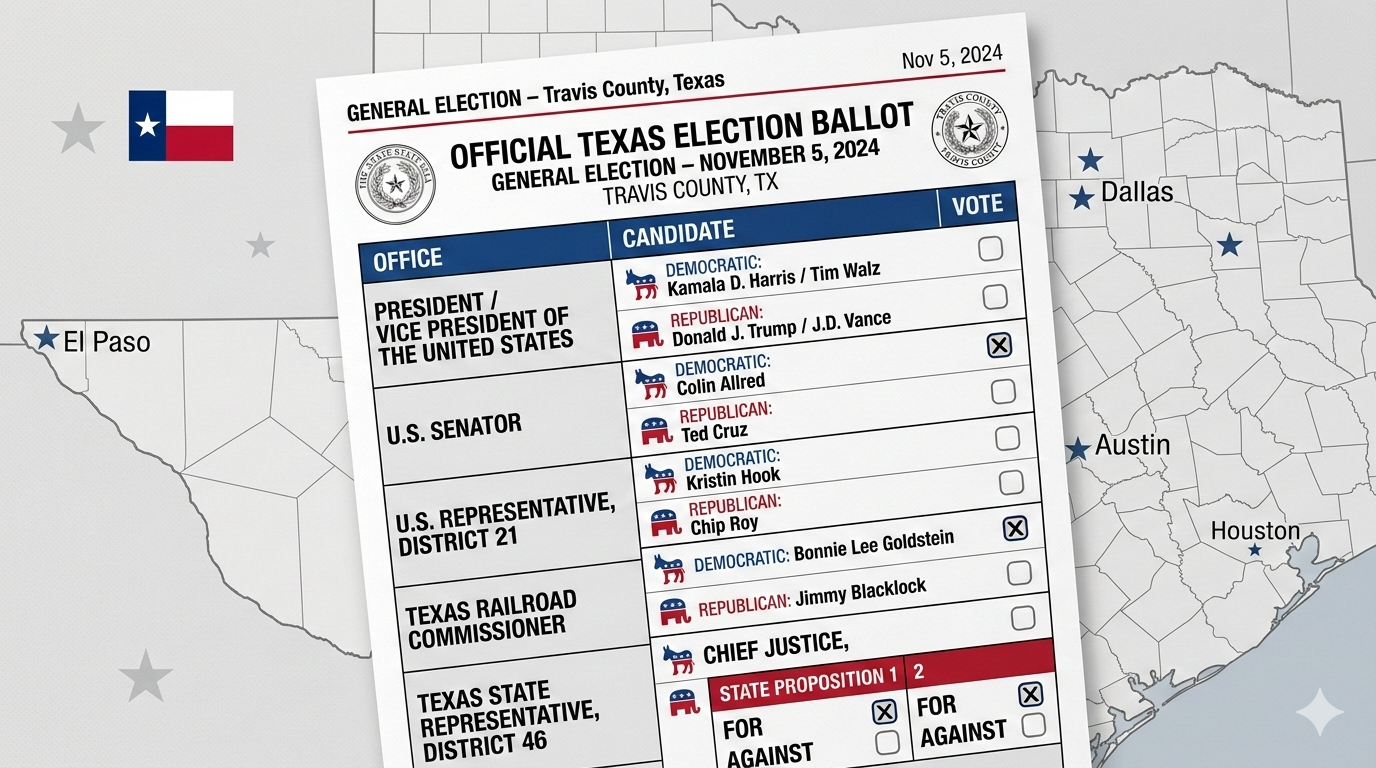
Texas holds separate Republican and Democratic primary elections, typically in March of even-numbered years. Voters may only participate in one party’s primary — the one they choose at the polls.
Here’s how the process flows:
Filing period opens months in advance, allowing candidates to declare their intention to run.
Primary Election Day is held in early March.
Runoff elections occur in May if no candidate receives more than 50% of the vote in their party’s primary.
General election takes place in November, where the two party nominees face off.
The 50% Threshold Rule
This is the rule that catches many voters off guard. In Texas, winning a plurality isn’t enough — you need an outright majority. If three candidates split the vote and the frontrunner only pulls 43%, the top two finishers advance to a runoff.
This rule has enormous strategic implications. It means well-funded incumbents can still be forced into costly runoff campaigns. It also gives grassroots challengers a second shot.
Key Statewide Races to Watch in Texas Primaries
The Texas primary results that generate the most attention typically come from statewide offices and competitive congressional districts.
Governor and Lieutenant Governor
The governor’s race almost always attracts national attention, significant fundraising, and intense media coverage. Incumbents in these races rarely face serious primary threats, but when they do, it signals deep intraparty discontent.
The Lieutenant Governor race in Texas carries unusual weight because the Lt. Governor controls the Texas Senate and its legislative agenda — arguably one of the most powerful positions in state government.
Attorney General Races
Texas Attorney General races have historically produced some of the most dramatic primary battles in recent memory. Incumbent AGs have faced vigorous primary challenges fueled by grassroots conservative and progressive movements alike, leading to high-profile runoffs that drag on for months.
U.S. Congressional Districts
With 38 congressional seats, Texas sends one of the largest delegations to Washington. Primary results in districts like TX-28, TX-34, and several suburban Houston and Dallas districts are closely watched by both parties as indicators of broader voter sentiment.
What Texas Primary Results Tell Us About November
Primary results aren’t just about who advances — they reveal crucial signals about voter turnout, enthusiasm gaps, and shifting demographics.
Turnout as a Predictor
High primary turnout in one party relative to the other is often seen as a leading indicator of general election momentum. When one party’s primary draws significantly more voters, analysts take note.
In recent cycles, Texas Democratic primary turnout in urban counties like Harris, Travis, and Bexar has increased substantially — a trend that national Democrats have closely monitored.
The Suburban Shift
Suburban counties around Dallas (Collin, Denton), Houston (Fort Bend, Williamson), and San Antonio have emerged as the true battleground in Texas politics. Texas primary results in these areas can predict with surprising accuracy how November will shake out in competitive districts.
Key factors driving this suburban realignment include:
Education demographics — college-educated voters trending away from hardline candidates
Population growth — suburban Texas counties are among the fastest-growing in the nation
Candidate quality — primaries that produce extreme nominees tend to underperform in swing suburbs come November
Endorsement Power and Its Limits
Endorsements — from former President Trump on the Republican side, or prominent Democrats nationally — carry real weight in Texas primaries. But the results also consistently show that local organizing, ground game, and candidate retail politics can overcome an endorsement gap.
Texas Runoff Elections: The Often-Overlooked Second Race
If you checked the Texas primary results on election night and didn’t see a winner, there’s a good chance the race is heading to a runoff.
Why Runoffs Are So Important
Runoff elections are decided by dramatically smaller electorates. Turnout in a Texas primary runoff typically drops by 40–60% compared to the initial primary. This means:
Highly motivated base voters dominate the outcome
Organized groups (unions, party clubs, advocacy orgs) punch above their weight
Challenger candidates often have a better shot than in the main primary
How to Stay Informed on Runoff Results
If you’re tracking Texas primary results through a runoff cycle, here’s what to monitor:
Early voting totals — released daily during the early voting period; a strong early vote can signal momentum
County-level returns — follow the Secretary of State’s website for real-time results
Precinct-level data — tells you whether turnout gains are coming from rural, suburban, or urban areas
How to Find Official Texas Primary Results
The best and most reliable sources for Texas primary results are official and nonpartisan:
Texas Secretary of State website (sos.state.tx.us) — the authoritative source for certified election results
Associated Press — used by most major news outlets as their election night data feed
Ballotpedia — excellent for candidate bios, race histories, and funding data
Your county election administrator’s website — for local race results and precinct breakdowns
Avoid relying solely on social media for election night figures. Unofficial tallies circulate widely and can be misleading before all precincts — or mail-in ballots — have been counted.
Practical Tips for Voters Tracking Texas Primary Results
Whether you’re an active voter or a political observer, these steps will help you follow the Texas primary results intelligently.
Before Election Day
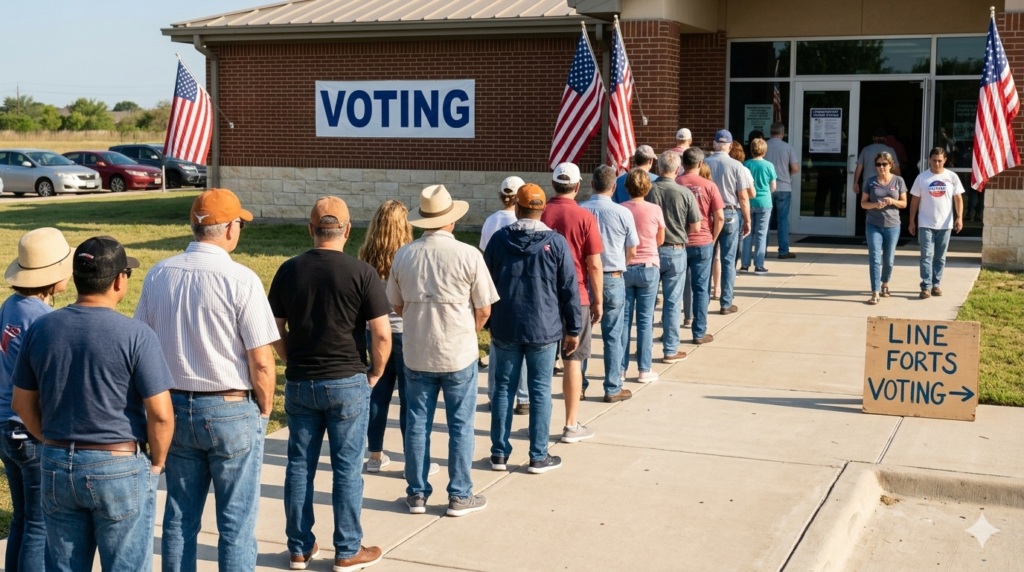
Register to vote at least 30 days before the primary; Texas has no same-day registration
Check your polling location — it can change from election to election
Research your ballot using the Texas Secretary of State’s voter portal or Ballotpedia’s sample ballots
Know which primary you’re voting in — you can only participate in one party’s primary per election cycle
On Election Night
Results typically begin appearing after polls close at 7:00 PM Central Time
Large urban counties often report later than smaller rural ones due to volume
Early voting results usually drop first, followed by Election Day votes
Don’t call a race early — races with runoff potential can look very different as more precincts report
After the Primary
Note any runoff races on your calendar — the runoff date is usually in May
Update your voter registration if you’ve moved since the last election
Follow campaign finance filings to track which candidates are building resources for November
The National Significance of Texas Primary Results
Texas primary results increasingly carry national implications, and both parties invest heavily in the state’s competitive races.
For Republicans, Texas remains foundational to any path to a congressional majority. A loss in a safe Texas seat sends shockwaves through the party.
For Democrats, Texas represents one of the most plausible paths to expanding the electoral map. Flipping even a handful of suburban congressional districts or statewide offices would fundamentally alter the national political balance.
International investors, corporate decision-makers, and policy advocates all watch Texas primary results because Texas policy shapes energy markets, immigration enforcement, education policy, and healthcare regulation for tens of millions of people — and those decisions start with who wins in March.
Conclusion: Stay Engaged — Texas Primary Results Shape Your Future
The Texas primary results are more than a political scoreboard. They are a direct expression of where the state — and by extension, the country — is heading. Every primary winner is one step closer to shaping laws, budgets, courts, and policies that affect your daily life.
The voters who show up in primaries disproportionately determine who runs the state. Low primary turnout means a small, motivated slice of the electorate is making decisions for everyone else.
That’s why staying informed about Texas primary results isn’t just a civic exercise — it’s one of the highest-leverage actions any Texan can take.
Ready to make your voice count? Register to vote, study your local ballot, and show up in March. Then come back here for a full breakdown of the Texas primary results as they come in.
Tags: Texas primary results, Texas election 2026, Texas primary runoff, Texas congressional races, Texas Secretary of State, Texas voting guide, Texas political newsIntroduction: Why Texas Primary Results Matter More Than Ever
Texas is no longer a political afterthought. Once considered a safely red state, Texas has steadily shifted into a fiercely contested battleground — and the Texas primary results now send ripples across the entire national political landscape.
Whether you’re a first-time voter, a political junkie, or a campaign strategist, understanding how Texas primaries work and what the results signal is essential knowledge heading into any general election cycle.
This guide breaks down everything you need to know about Texas primary results — from how the process works to which races are worth watching, and how to make sense of runoff elections when no one clears the threshold.
How Texas Primary Elections Work
Before diving into specific results, it helps to understand the mechanics behind the Texas primary system.
The Basic Structure
Texas holds separate Republican and Democratic primary elections, typically in March of even-numbered years. Voters may only participate in one party’s primary — the one they choose at the polls.
Here’s how the process flows:
Filing period opens months in advance, allowing candidates to declare their intention to run.
Primary Election Day is held in early March.
Runoff elections occur in May if no candidate receives more than 50% of the vote in their party’s primary.
General election takes place in November, where the two party nominees face off.
The 50% Threshold Rule
This is the rule that catches many voters off guard. In Texas, winning a plurality isn’t enough — you need an outright majority. If three candidates split the vote and the frontrunner only pulls 43%, the top two finishers advance to a runoff.
This rule has enormous strategic implications. It means well-funded incumbents can still be forced into costly runoff campaigns. It also gives grassroots challengers a second shot.
Key Statewide Races to Watch in Texas Primaries
The Texas primary results that generate the most attention typically come from statewide offices and competitive congressional districts.
Governor and Lieutenant Governor
The governor’s race almost always attracts national attention, significant fundraising, and intense media coverage. Incumbents in these races rarely face serious primary threats, but when they do, it signals deep intraparty discontent.
The Lieutenant Governor race in Texas carries unusual weight because the Lt. Governor controls the Texas Senate and its legislative agenda — arguably one of the most powerful positions in state government.
Attorney General Races
Texas Attorney General races have historically produced some of the most dramatic primary battles in recent memory. Incumbent AGs have faced vigorous primary challenges fueled by grassroots conservative and progressive movements alike, leading to high-profile runoffs that drag on for months.
U.S. Congressional Districts
With 38 congressional seats, Texas sends one of the largest delegations to Washington. Primary results in districts like TX-28, TX-34, and several suburban Houston and Dallas districts are closely watched by both parties as indicators of broader voter sentiment.
What Texas Primary Results Tell Us About November
Primary results aren’t just about who advances — they reveal crucial signals about voter turnout, enthusiasm gaps, and shifting demographics.
Turnout as a Predictor
High primary turnout in one party relative to the other is often seen as a leading indicator of general election momentum. When one party’s primary draws significantly more voters, analysts take note.
In recent cycles, Texas Democratic primary turnout in urban counties like Harris, Travis, and Bexar has increased substantially — a trend that national Democrats have closely monitored.
The Suburban Shift
Suburban counties around Dallas (Collin, Denton), Houston (Fort Bend, Williamson), and San Antonio have emerged as the true battleground in Texas politics. Texas primary results in these areas can predict with surprising accuracy how November will shake out in competitive districts.
Key factors driving this suburban realignment include:
Education demographics — college-educated voters trending away from hardline candidates
Population growth — suburban Texas counties are among the fastest-growing in the nation
Candidate quality — primaries that produce extreme nominees tend to underperform in swing suburbs come November
Endorsement Power and Its Limits
Endorsements — from former President Trump on the Republican side, or prominent Democrats nationally — carry real weight in Texas primaries. But the results also consistently show that local organizing, ground game, and candidate retail politics
Texas Runoff Elections: The Often-Overlooked Second Race
If you checked the Texas primary results on election night and didn’t see a winner, there’s a good chance the race is heading to a runoff.
Why Runoffs Are So Important
Runoff elections are decided by dramatically smaller electorates. Turnout in a Texas primary runoff typically drops by 40–60% compared to the initial primary. This means:
Highly motivated base voters dominate the outcome
Organized groups (unions, party clubs, advocacy orgs) punch above their weight
Challenger candidates often have a better shot than in the main primary
How to Stay Informed on Runoff Results
If you’re tracking Texas primary results through a runoff cycle, here’s what to monitor:
Early voting totals — released daily during the early voting period; a strong early vote can signal momentum
County-level returns — follow the Secretary of State’s website for real-time results
Precinct-level data — tells you whether turnout gains are coming from rural, suburban, or urban
How to Find Official Texas Primary Results
The best and most reliable sources for Texas primary results are official and nonpartisan:
Texas Secretary of State website (sos.state.tx.us) — the authoritative source for certified election results
Associated Press — used by most major news outlets as their election night data feed
Ballotpedia — excellent for candidate bios, race histories, and funding data
Your county election administrator’s website — for local race results and precinct breakdowns
Avoid relying solely on social media for election night figures. Unofficial tallies circulate widely and can be misleading before all precincts — or mail-in ballots — have been counted.
Practical Tips for Voters Tracking Texas Primary Results
Whether you’re an active voter or a political observer, these steps will help you follow the Texas primary results intelligently.
Before Election Day
Register to vote at least 30 days before the primary; Texas has no same-day registration
Check your polling location — it can change from election to election
Research your ballot using the Texas Secretary of State’s voter portal or Ballotpedia’s sample ballots
Know which primary you’re voting in — you can only participate in one party’s primary per election cycle
On Election Night
Results typically begin appearing after polls close at 7:00 PM Central Time
Large urban counties often report later than smaller rural ones due to volume
Early voting results usually drop first, followed by Election Day votes
Don’t call a race early — races with runoff potential can look very different as more precincts report
After the Primary
Note any runoff races on your calendar — the runoff date is usually in May
Update your voter registration if you’ve moved since the last election
Follow campaign finance filings to track which candidates are building resources for November
The National Significance of Texas Primary Results
Texas primary results increasingly carry national implications, and both parties invest heavily in the state’s competitive races.
For Republicans, Texas remains foundational to any path to a congressional majority. A loss in a safe Texas seat sends shockwaves through the party.
For Democrats, Texas represents one of the most plausible paths to expanding the electoral map. Flipping even a handful of suburban congressional districts or statewide offices would fundamentally alter the national political balance.
International investors, corporate decision-makers, and policy advocates all watch Texas primary results because Texas policy shapes energy markets, immigration enforcement, education policy, and healthcare regulation for tens of millions of people — and those decisions start with who wins in March.
Conclusion: Stay Engaged — Texas Primary Results Shape Your Future
The Texas primary results are more than a political scoreboard. They are a direct expression of where the state — and by extension, the country — is heading. Every primary winner is one step closer to shaping laws, budgets, courts, and policies that affect your daily life.
The voters who show up in primaries disproportionately determine who runs the state. Low primary turnout means a small, motivated slice of the electorate is making decisions for everyone else.
That’s why staying informed about Texas primary results isn’t just a civic exercise — it’s one of the highest-leverage actions any Texan can take.
Ready to make your voice count? Register to vote, study your local ballot, and show up in March. Then come back here for a full breakdown of the Texas primary results as they come in.