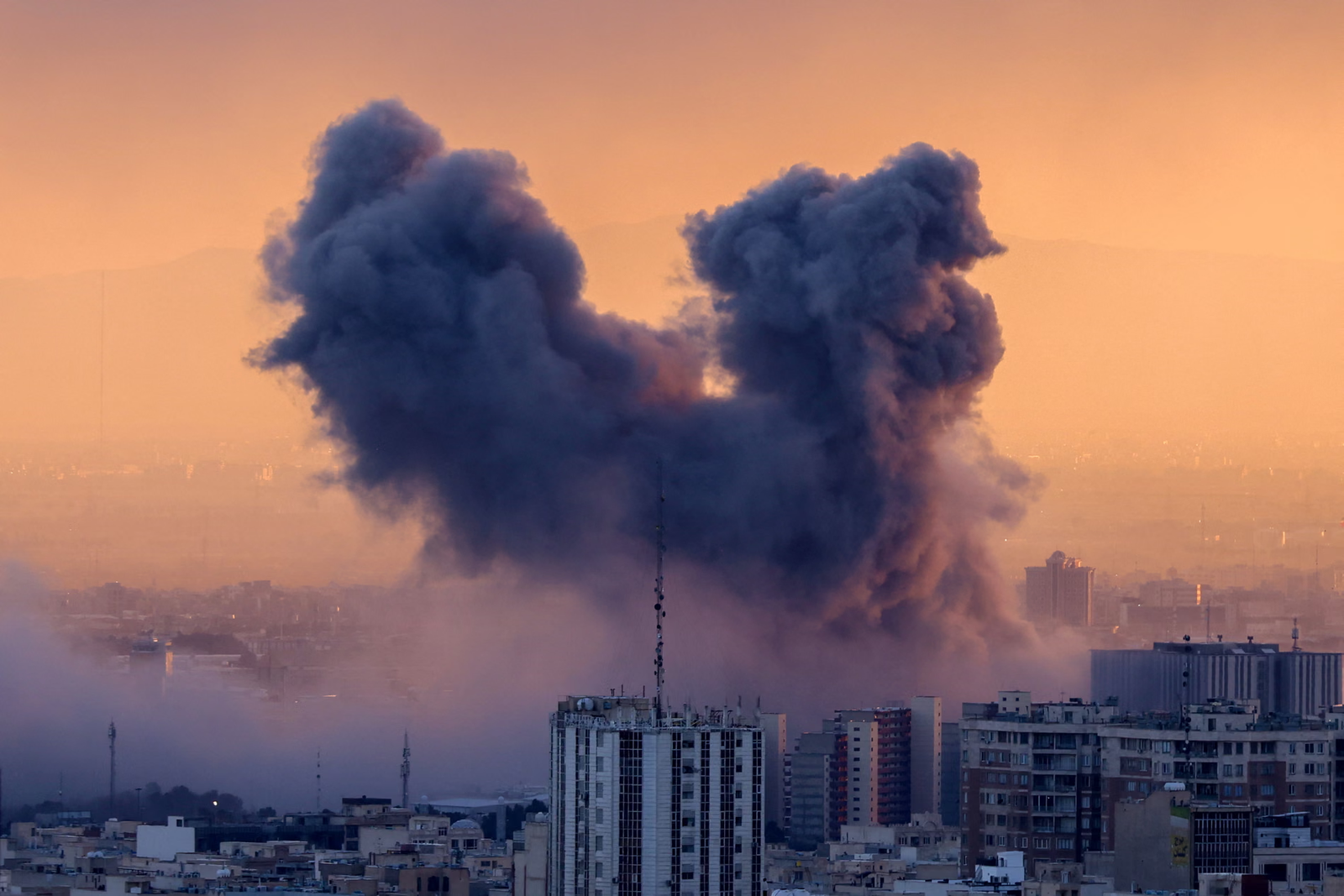
The United States has compared its opening attacks on Iran to the “shock and awe” campaign of the 2003 Iraq war, as the conflict enters its fifth day with rising casualties, regional instability, and volatile global markets.
According to the Iranian Red Crescent Society, at least 787 people have been killed since the start of the US-Israeli military campaign. Energy exports across the Middle East have been disrupted, sending oil and gas prices sharply higher and rattling financial markets worldwide.
US Claims Nearly 2,000 Targets Hit in Iran
The US military said it struck nearly 2,000 targets in Iran within the first days of the campaign, claiming the scale of the opening bombardment was almost double that of the 2003 Iraq invasion’s “shock and awe” strategy.
Officials also said US forces had destroyed 17 Iranian naval vessels, with a senior defense spokesperson claiming operations were aimed at neutralizing “all of the Iranian navy.”
President Donald Trump indicated the US Navy may begin escorting oil tankers through the Strait of Hormuz to safeguard global energy supplies if required.
Oil Prices Surge as Middle East Energy Exports Halt
The conflict has triggered severe disruption to Middle Eastern energy production. Iran has reportedly targeted ships and energy facilities, halting navigation in parts of the Gulf and forcing production stoppages in countries including Qatar and Iraq.
As a result:
- Global oil and gas prices have surged.
- Energy exports from key Gulf producers have slowed or stopped.
- Investors have reacted with caution amid fears of prolonged regional instability.
Global Stock Markets React to Escalation
Asian markets extended losses on Wednesday amid fears of further escalation:
- Japan’s Nikkei 225 fell nearly 4% in early trading.
- South Korea’s Kospi dropped more than 8%, triggering a temporary trading halt.
- US markets appeared more stable, with Wall Street expected to open slightly lower based on pre-market data.
Analysts warn continued military escalation could intensify market volatility, particularly if energy supply routes remain threatened.
Israel Launches New Wave of Strikes
Israel confirmed it launched a “broad wave” of airstrikes early Wednesday targeting Iranian missile launch sites, air defense systems, and key military infrastructure.
Meanwhile, Iran has continued firing ballistic missiles at Israel. Most projectiles have been intercepted, but at least 11 people in Israel have been killed since the conflict began.
Lebanon Displacement and Civilian Casualties Rise
Lebanon’s health ministry reported that Israeli strikes on towns south of Beirut killed six people and wounded eight. The United Nations estimates that at least 30,000 people have been displaced in Lebanon following heavy airstrikes.
US Base in Kuwait Hit by Drone Strike
The US Department of Defense confirmed that six American soldiers were killed in a drone strike on a US base in Kuwait. Four of the fallen service members have been publicly identified.
President Trump acknowledged that additional American casualties are likely before the war concludes.
Diplomatic Tensions Escalate
Trump announced the US would cut off trade with Spain after Madrid refused to allow American forces to use its military bases for Iran-related missions. He also criticized UK Prime Minister Keir Starmer for declining to formally join the attacks, despite allowing US forces access to UK bases.
In Europe, French President Emmanuel Macron ordered the aircraft carrier Charles de Gaulle to move from the Baltic Sea to the Mediterranean to support allied operations.
Deadliest Incident: Strike on School in Minab
The most devastating single event of the conflict so far was a direct strike on a girls’ elementary school in Minab on Saturday, reportedly killing up to 168 people.
The Iranian Red Crescent Society described it as the worst mass-casualty incident since the fighting began.
Leave a Reply